

 Call
Call
 Email
Email
Awaab’s Law: Exterior Repairs That Prevent Damp & Mould

Managing Director
Lucian Ivan
• 11 minute read
Contents
- What Is Awaab’s Law?
- What Is the Building Envelope?
- The Types of Damp (And Where Exterior Work Helps)
- Where Exterior Maintenance Makes a Difference
- Where Exterior Work Won’t Help
- A Quick Exterior Damp-Risk Checklist
- Need To Close Water Pathways Fast?
Damp and mould in UK housing has never been under greater scrutiny. With the introduction of Awaab’s Law, landlords and property managers must adhere to strict new requirements to identify and repair damp-related hazards quickly and to prove they’re tackling the root causes, not just cosmetic symptoms.
While much of the conversation has focused on interior fixes, there’s another piece of the puzzle: the exterior of the building. Roofs, gutters, walls, windows and drainage systems all form part of the picture, and when these fail, they open the door for water ingress and the conditions in which mould thrives.
This article explores how exterior repairs and preventative maintenance can help reduce the risks of damp and mould. To be clear, these works are not the whole solution, but they are an essential supporting measure that helps landlords and property managers meet their compliance obligations and keep tenants safe.
Please note: this article is provided for information only and should not be taken as legal advice.
What Is Awaab’s Law?
In 2023, the UK government introduced Awaab’s Law, a major reform in social housing regulation designed to prevent avoidable health hazards like damp and mould.
The law is named after Awaab Ishak, a two-year-old boy who tragically died in 2020 from prolonged exposure to mould in his family’s social housing flat. His death was not only devastating, but it also revealed systemic failures in how damp-related complaints were handled, prompting a national reckoning.
Awaab’s Law now holds social landlords to much stricter standards. Under the law, landlords must:
-
Investigate reported hazards (such as damp, mould or leaks) within 14 days.
-
Begin necessary repairs within 7 days if there is a risk to health or safety.
-
Complete emergency repairs within 24 hours.
-
Provide alternative accommodation if repairs can’t be completed on time.
-
Keep clear records of all hazard reports and repair actions.
Although the law currently focuses on damp and mould, it’s part of a wider push to enforce action on all 29 health and safety hazards defined by the Housing Health and Safety Rating System, which includes excess cold, structural issues, fire risk and more. From October 2025, compliance with Awaab’s Law becomes mandatory, with additional protections rolling out through 2027.
Crucially, tenants can no longer be blamed for issues like mould growth due to “lifestyle choices.” Landlords are required to identify and fix the underlying causes, not just treat the symptoms.
That means tackling the actual sources of moisture and water ingress, not just painting over damp patches or cleaning away mould. If the root causes aren’t addressed properly, the problems will return, putting tenants at continued risk and leaving landlords exposed to legal action.
For many property managers and compliance teams, this means going beyond surface-level repairs. It means tackling the root of the problem, and in many cases that begins with the exterior of the building.
What Is the Building Envelope?
The building envelope is simply the shell of a property. It includes the roof, walls, windows, doors, gutters and drains that separate indoors from outdoors. Think of it as the building’s first line of defence against rain, wind and external moisture.
Each part of the envelope plays a role in stopping water from finding a way in:
-
Roofs keep rainfall out but can quickly become a source of leaks if tiles slip or flashing fails.
-
Walls act as a barrier to the elements.
-
Windows and doors become weak points if seals perish or cills are damaged, leading to localised damp patches around frames.
-
Gutters and drains are critical for channelling water away, but when blocked or broken, they can overflow and saturate walls.
When the envelope is sound, it does more than protect against damp; it helps regulate heat and saves energy. But when it fails, small defects can quickly escalate, creating the very conditions in which mould thrives.
The Types of Damp (And Where Exterior Work Helps)
There are many types of damp, sometimes caused by specific areas of the building envelope failing. Knowing the difference is important because the right fix depends on the right diagnosis.
Here are the main types of damp and where exterior repairs can help:
Condensation
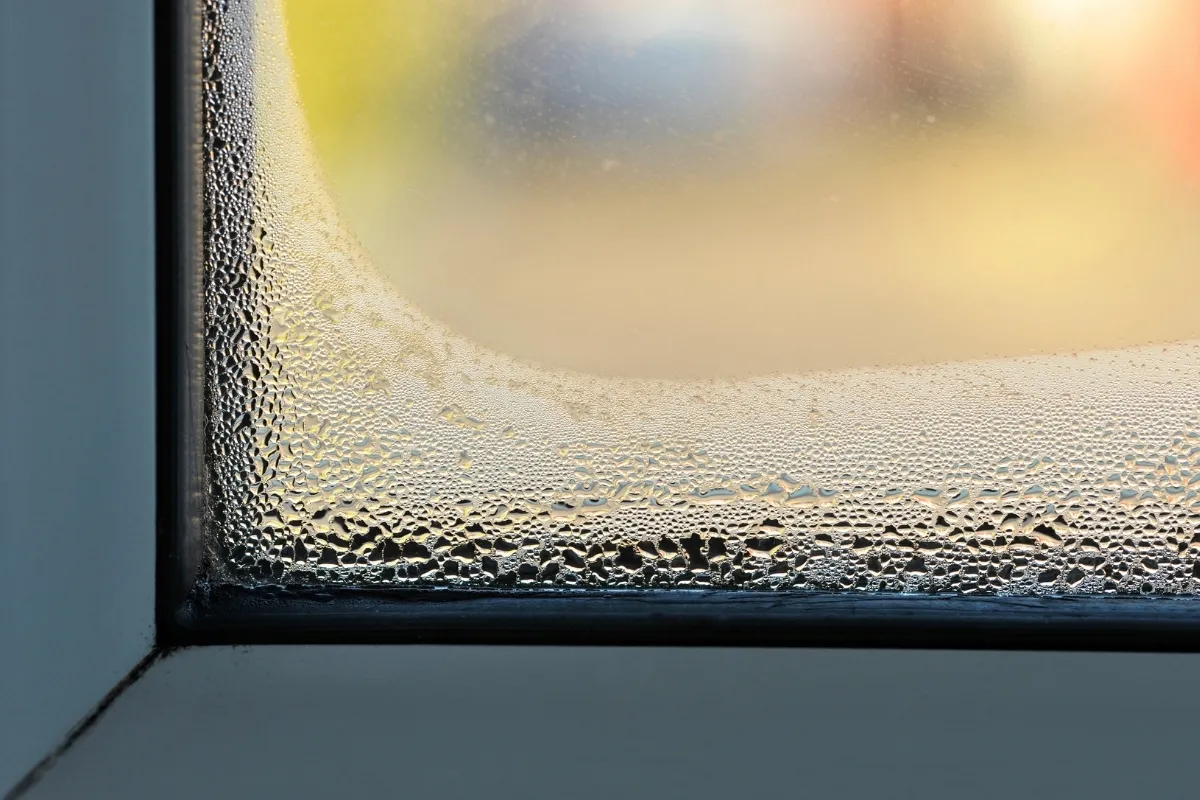
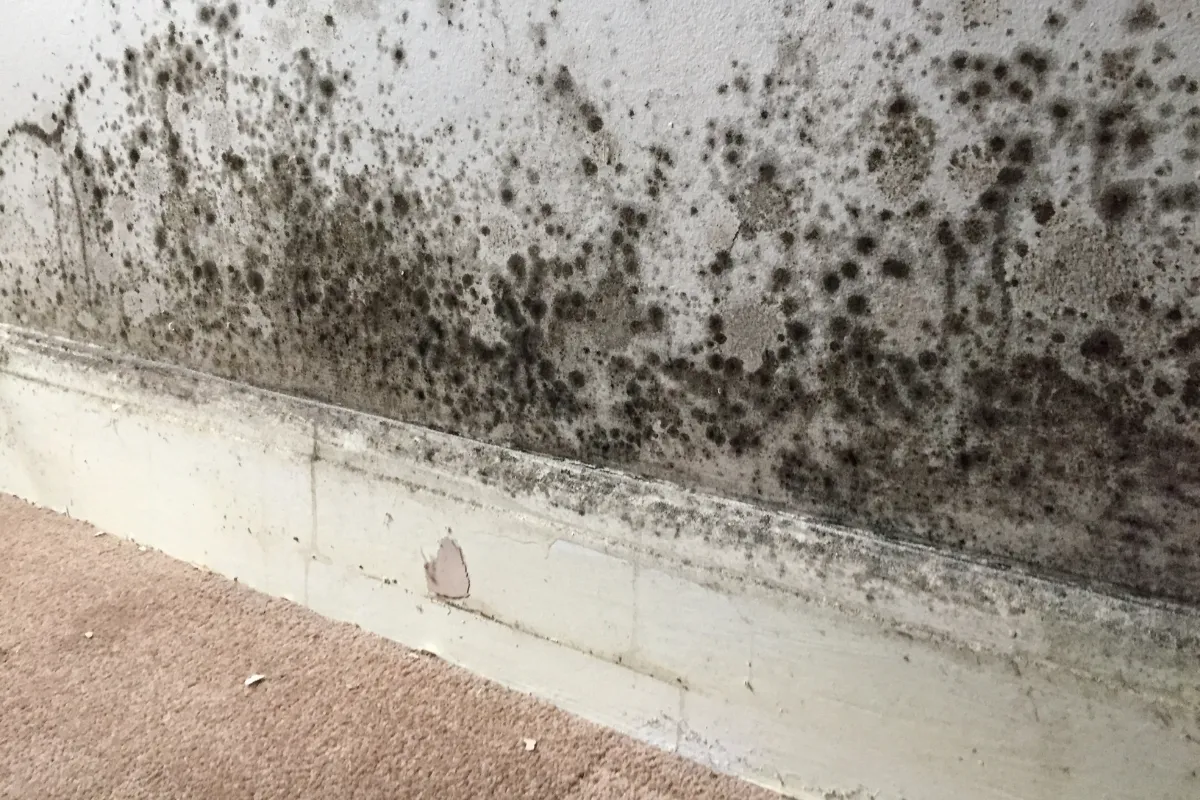
Condensation happens when warm, moist air indoors comes into contact with cold surfaces like windows or external walls, leaving water droplets behind. Typical signs include misted glass, black mould in corners or behind furniture, and a musty smell.
This type of damp is mostly an internal issue linked to poor ventilation or inconsistent heating. Exterior work alone won’t solve it, but improvements like insulation or window upgrades can support better moisture control as part of a wider strategy.
Rising Damp
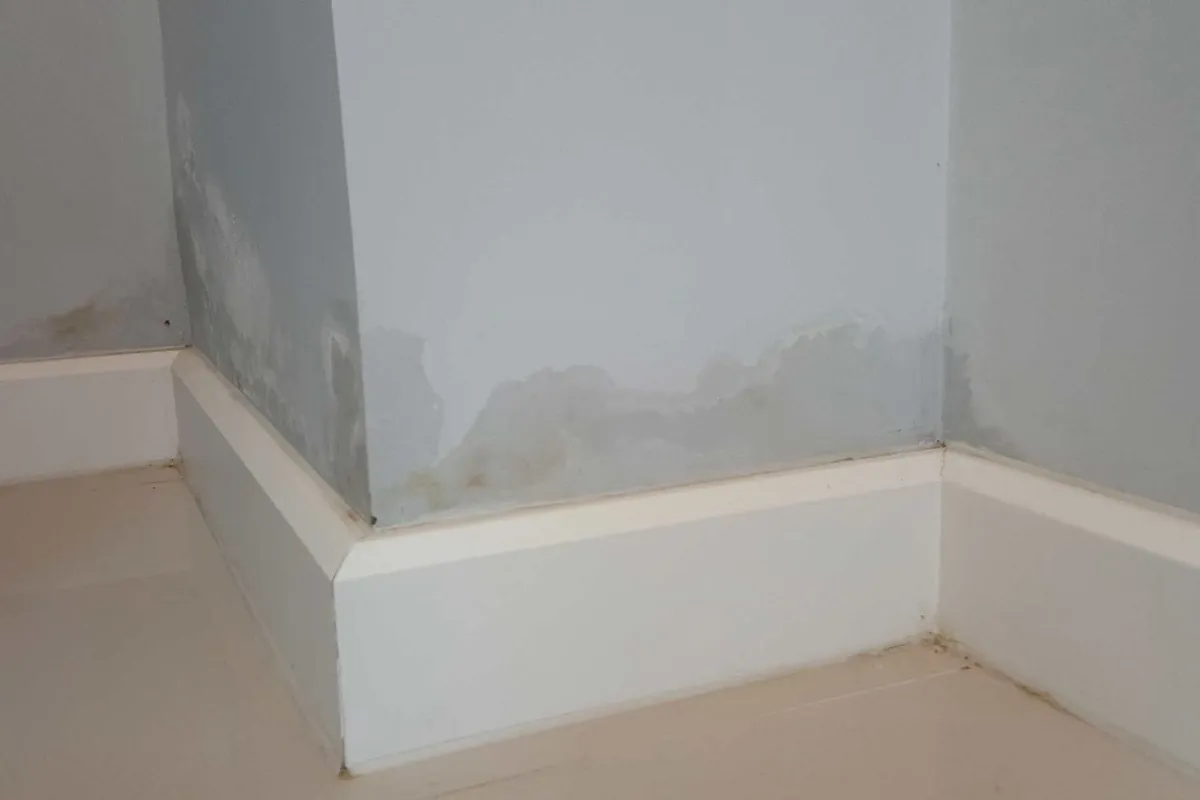
Rising damp happens when moisture from the ground moves up through porous walls or floors, usually because the damp-proof course (DPC) is damaged or missing. It often shows up as tide marks of staining, peeling paint, crumbling plaster, or rotting skirting boards near the ground.
While not the most common form of damp, rising damp cannot be resolved by simple exterior maintenance. However, ensuring correct ground levels, proper drainage and sound external pointing can all help to reduce the risks.
Penetrating Damp
Also known as lateral damp, this is caused when water makes its way in through things like cracked render, slipped roof tiles, faulty flashing or broken guttering. It tends to appear as damp patches that grow worse after rain, often higher up on walls or across ceilings.
For penetrating damp, exterior maintenance is critical. Repairing roofs, resealing windows, fixing brickwork or unblocking gutters directly tackles the source of the problem, preventing repeated water ingress.
Leaks
Leaks aren’t technically a form of damp, but they’re one of the most common sources of localised water damage. A leaking roof, overflowing gutter or failed seal around a window can quickly lead to visible damp spots and mould growth indoors.
Because leaks are almost always linked to the exterior fabric of the building, regular inspections and prompt repairs are some of the best ways landlords can prevent them from escalating into major compliance risks.
Other Types of Damp
Beyond these main categories, there are some less common forms:
-
Chemical damp caused by hygroscopic salts in plaster or brickwork, often showing as persistent white marks.
-
Plumbing-related damp from leaks inside the property, such as faulty pipework or fixtures.
-
Damp from drying materials in new builds or renovations, where water trapped in fresh plaster or concrete evaporates slowly.
While these aren’t usually tied to exterior maintenance, they’re worth being aware of so you can distinguish them from water ingress issues.
Where Exterior Maintenance Makes a Difference
When it comes to damp and mould, prevention is almost always cheaper and easier than remediation. Many of the most common causes can be traced back to issues on the exterior of the building – the small defects that, left unchecked, become big problems. Here’s where proactive exterior maintenance makes a real impact.
Roofs and Roof Details
The roof is the most obvious barrier against water ingress, but it’s also one of the most vulnerable. Slipped or missing tiles, cracked rubber membranes, or failed flashing around chimneys all create an easy way in for water.
Flat roofs with perished EPDM coverings are especially prone to hairline cracks, which can quickly lead to leaks during heavy rain.
We recommend regular roof inspections and prompt repairs to stop these issues from escalating. At Spectrum, our roof repair and leak detection services make it possible to identify weak points early and restore watertight protection without scaffolding.
Rainwater Goods and Drainage
Gutters, downpipes and gullies are designed to move water safely away from the building. But when they’re blocked with debris or become detached, they overflow and can saturate the walls below. Over time, the extra weight of waterlogged gutters can even damage brickwork or pull fixings loose.
The solution is simple: seasonal gutter cleaning and maintenance. Keeping rainwater goods clear, properly attached and draining away from the property prevents one of the most common causes of penetrating damp.
Brickwork, Pointing and Render
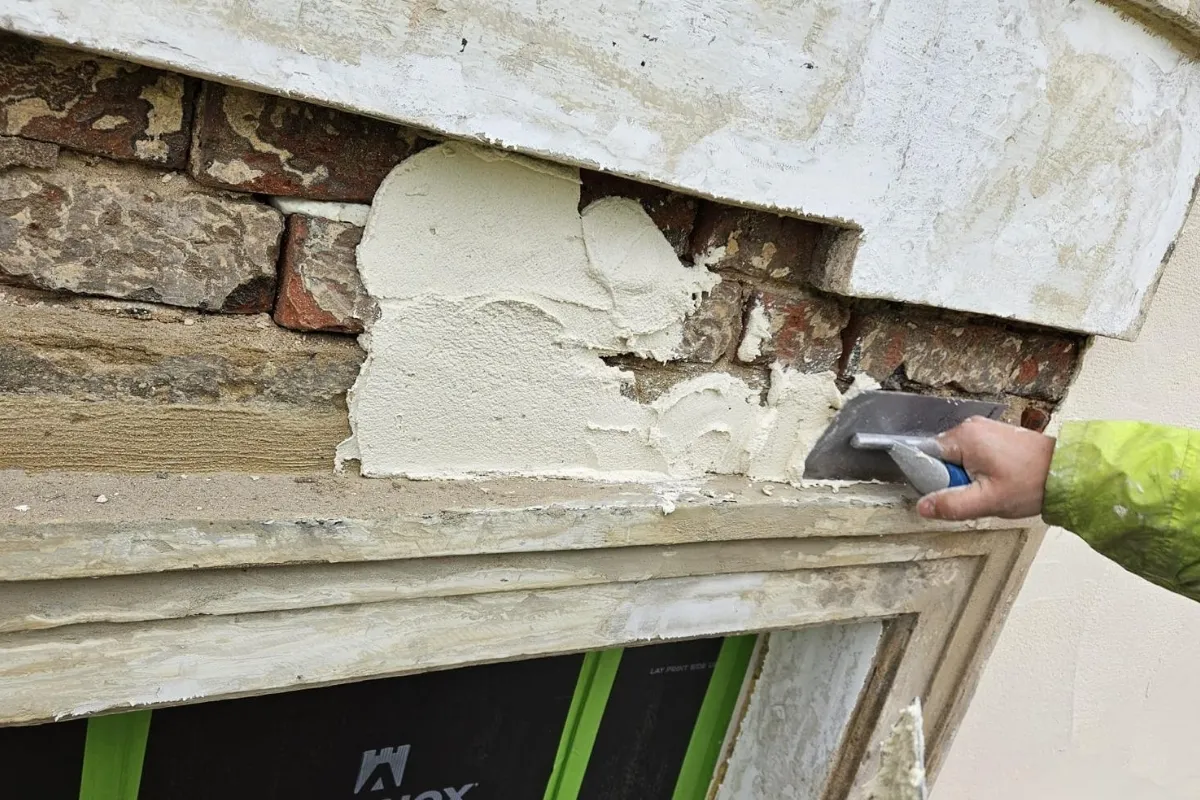
Walls are exposed to the weather day in, day out. Cracks in render, eroded mortar or gaps in facade joints let water seep into the fabric of the building. Once inside, moisture spreads laterally and causes damp patches indoors.
By repairing brickwork and repointing mortar, or restoring damaged render and facade joints, you can seal the building envelope against water ingress.
If you’ve noticed penetrating damp alongside poor facade appearance, it may be worth investigating the link further. We specialise in brick repair, render repair and complete facade restoration, diagnosing underlying issues and delivering lasting protection with minimal disruption.
Windows and Doors (Interfaces)
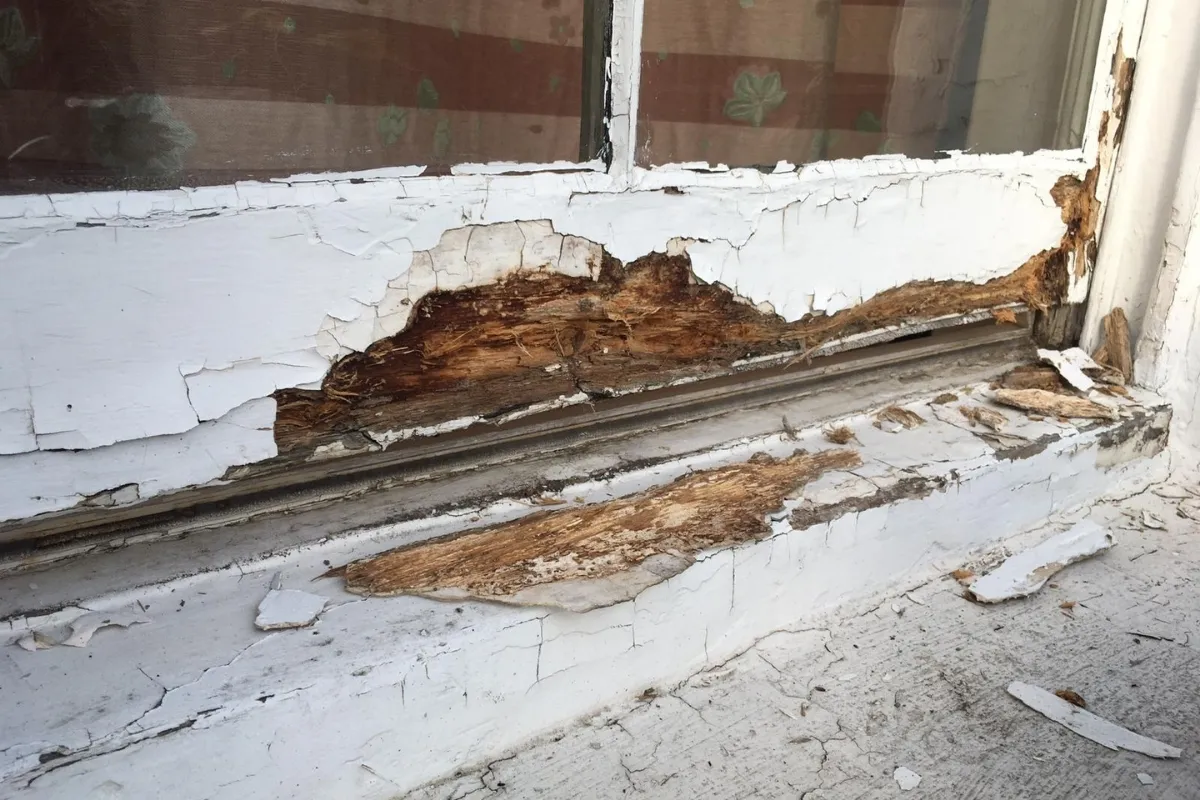
Window and door frames are natural weak points. Perished seals, damaged cills or loose joints allow rain to track inside around the edges, often leading to localised mould growth.
Checking and resealing frames is a relatively simple but vital step in damp prevention. It’s also important to keep an eye on any timber-framed windows and doors in your property, as these can easily become rotten if not maintained properly.
The Role of Planned Preventive Maintenance
While reactive repairs are sometimes unavoidable, the best way to stay ahead of issues is to implement a Planned Preventive Maintenance (PPM) schedule. Regular inspections of roofs, gutters, facades and windows mean defects can be spotted and addressed long before they lead to damp, mould or costly emergency works.
At Spectrum, we deliver PPM programmes across a full range of exterior services, helping housing providers and property managers meet compliance obligations under Awaab’s Law and others with confidence. By closing water pathways before they cause harm, PPM makes properties safer, healthier and easier to manage.
Where Exterior Work Won’t Help
Exterior maintenance is a powerful tool in preventing damp, but it’s not a silver bullet. Some issues require internal fixes or specialist interventions that go beyond the building envelope.
-
Condensation mould: If damp is caused by poor ventilation, cold bridging, or inconsistent heating, external works alone won’t solve it. These cases often need better airflow, dehumidifiers or internal insulation upgrades.
-
Plumbing leaks: Burst pipes, leaking radiators or faulty internal fixtures create damp patches that can’t be addressed from the outside. These require plumbing repairs inside the property.
-
Poor ventilation systems: Mechanical ventilation that isn’t working correctly, or a lack of extract fans in kitchens and bathrooms, will continue to fuel condensation and mould problems even if the exterior is sound.
In other words, landlords can’t rely on exterior repairs alone to meet Awaab’s Law. Tackling damp and mould effectively demands a coordinated approach combining interior works, tenant support, and exterior maintenance.
That said, exterior repairs often make the difference between a property staying dry and safe or becoming vulnerable to repeated damp problems. By closing off entry points for water, repairs significantly reduce risk and complement other interventions.
A Quick Exterior Damp-Risk Checklist
Staying on top of exterior maintenance doesn’t have to be complicated. A few simple checks carried out regularly can help you spot risks before they turn into costly compliance issues.
-
Seasonal roof and gutter checks: Clear gutters in autumn and spring to prevent blockages, and arrange a roof inspection at least once a year (or more often if access is easy).
-
Inspect external walls for defects: Look for cracks in brickwork, damaged pointing or render failures. Keep photographic evidence of any cracks so you can track whether they grow over time.
-
Check window and door seals: Test seals and joints regularly, especially during wet or cold spells when they’re most likely to fail.
-
Keep drainage routes clear: Make sure gullies and drains are free-flowing and direct water away from the building. Regular drain jetting can help prevent hidden blockages.
-
Document everything: Keep records of all inspections, photos and repair works. Not only does this support long-term property care, it also demonstrates compliance under Awaab’s Law.
By following this simple routine, you can reduce the risk of damp taking hold and prove that you’re managing hazards proactively. And if you’d rather not carry the responsibility alone, a PPM contract with Spectrum ensures these checks are built into a reliable schedule.
Need To Close Water Pathways Fast?
Damp and mould aren’t just unsightly, they escalate quickly. Left untreated, they can spread through walls, damage structures and put tenants’ health at serious risk. Under Awaab’s Law, those risks also come with strict legal consequences for landlords and property managers.
The good news is that many of these problems can be stopped at the source. By closing off pathways for water ingress, you can often protect your tenants, reduce future costs, and demonstrate compliance with confidence.
At Spectrum, we offer fast, effective exterior repairs. Using advanced access methods, we carry out everything from roof and gutter repairs to facade restoration and leak detection without the need for costly scaffolding or disruption to residents.
Get in touch today to book an inspection or speak to our team about tailoring a PPM plan to your property portfolio.
Your Building Deserves Thoughtful, Expert Care
Ensure your building remains in top condition with Spectrum Specialist Support. Our expert team offers a full range of exterior maintenance services, from external cleaning and repairs to comprehensive restoration of brick, render, stone and other substrates.
With an IRATA-certified team of abseilers and experience across hundreds of varied projects, we’ll find an access solution that saves you time and money, even on the most complex elevations.
Whether you need emergency maintenance or a tailored service plan, we are here to help. Contact us directly on 020 3551 6206 or email us at info@spectrumss.co.uk to discuss your requirements and receive a free consultation and quote.