

 Call
Call
 Email
Email
Lightning Protection Regulations: What You Need to Know

Managing Director
Lucian Ivan
• 19 minute read
Contents
- What Are the British Standards for Lightning Protection Systems?
- Is There a Legal Requirement for Lightning Protection?
- What Do I Need to Do to Remain Compliant?
- What Buildings Require Lightning Protection in the UK?
- What Is Lightning Protection System Testing?
- Don’t Get Caught Out – Protect Your Building Today
- FAQs
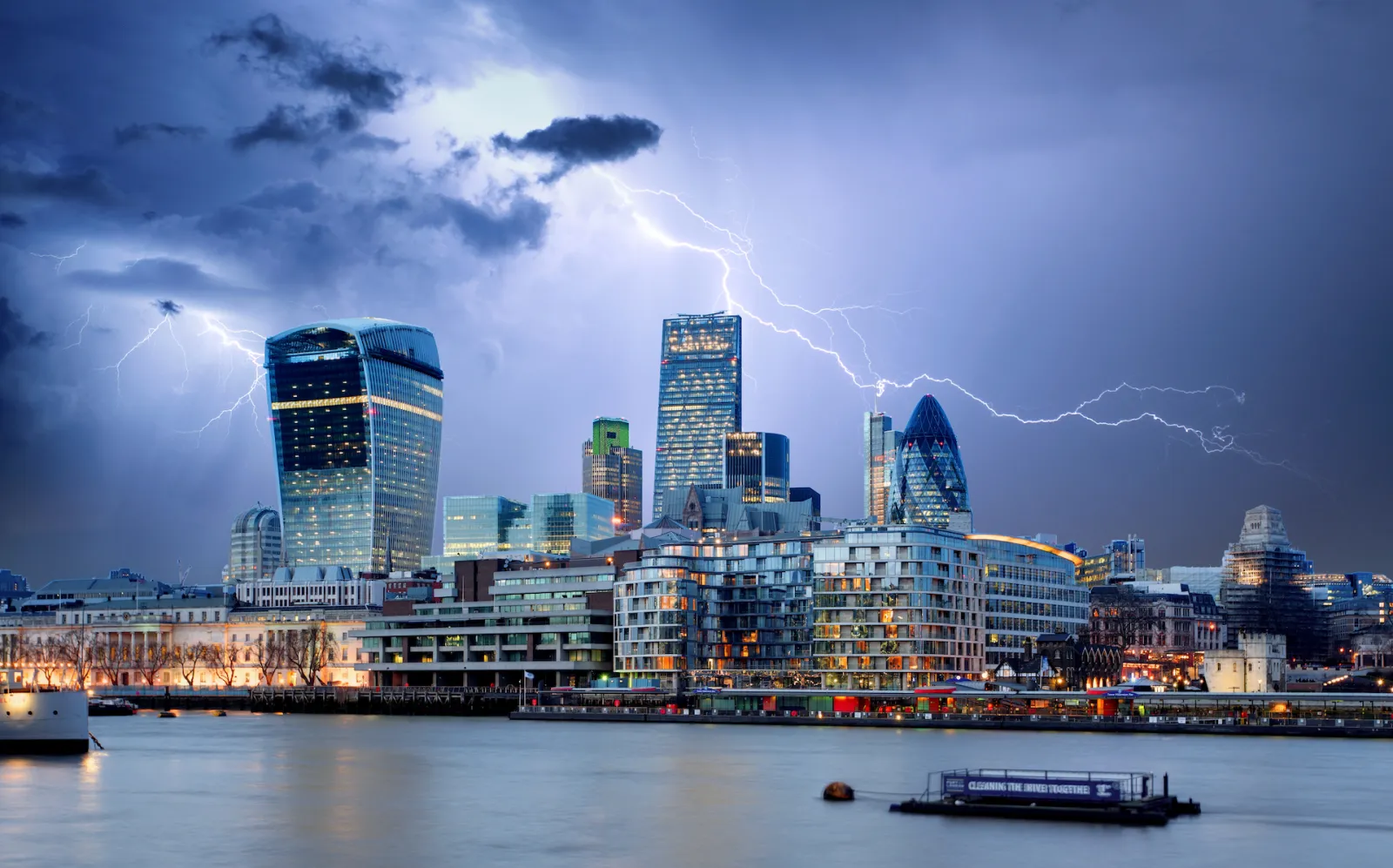
Did you know that over 300,000 lightning strikes hit the UK each year, causing millions in property damage? Lightning is unpredictable, but its impact doesn’t have to be. From fires to power surges, a single strike can devastate your property - posing risks to your compliance, insurance, and tenant safety.
This guide is here to make lightning protection simple. Whether you’re managing a commercial estate, a heritage site, or a residential block, we’ll break down the key regulations, British Standards, and practical steps to protect your property. Stay compliant, minimise liability, and keep your building - and its occupants - secure.
Let’s dive in to help safeguard your property and your peace of mind.
What Are the British Standards for Lightning Protection Systems?
In the UK, lightning protection is governed by a set of British Standards designed to safeguard buildings, occupants, and electrical systems from the destructive effects of lightning strikes.
Here’s a breakdown of the key standards you need to know:
BS EN 62305: The Modern Standard for Lightning Protection
Introduced in 2006, BS EN 62305 is the current and most comprehensive lightning protection standard in the UK. It outlines a detailed framework for protecting structures, occupants, and internal systems from lightning damage.
The standard is split into four parts, each addressing a critical aspect of protection:
- General principles
- Risk assessment
- Physical damage prevention
- Surge protection for electrical systems
We’ll explore these components in greater detail later in the article, but the key takeaway is this: BS EN 62305 emphasises a tailored, risk-based approach, ensuring that protection systems meet the specific needs of each building.
BS 6651: The Predecessor to BS EN 62305
Before the introduction of BS EN 62305, BS 6651 was the go-to standard for lightning protection in the UK. While it offered a solid foundation, it primarily focused on safeguarding the physical structure of a building and paid less attention to internal systems, such as electronics and IT infrastructure.
One significant difference is that BS EN 62305 incorporates a detailed risk assessment process, ensuring modern systems are designed with greater precision.
If your lightning protection system was installed before 2006, it may still comply with BS 6651. However, upgrading to the latest standard is recommended for improved safety and to address modern risks like electrical surges.
BS 7671: Electrical Standards and Lightning Protection
Also known as the IET Wiring Regulations, BS 7671 governs electrical installations across the UK. While it doesn’t focus solely on lightning protection, it plays a crucial role in safeguarding your property.
The standard provides guidance on installing surge protection devices (SPDs) to shield electrical systems from lightning-induced surges. Compliance with BS 7671 is essential when installing or maintaining a lightning protection system, as it protects your building’s internal infrastructure.
What’s the Difference between BS EN 62305 and IEC 62305?
Understanding the distinction between BS EN 62305 and IEC 62305 is key to ensuring compliance with the correct lightning protection standards for your property. While both frameworks are closely related and focus on lightning protection, there are important differences in their scope and application.
IEC 62305
IEC 62305, developed by the International Electrotechnical Commission (IEC), serves as the global benchmark for lightning protection systems (LPS). It provides comprehensive guidance on designing, installing, and maintaining LPS across a wide range of environments.
The standard is divided into four structured parts:
- General Principles: An introduction to the core concepts and objectives of lightning protection, establishing the groundwork for compliance.
- Risk Management: Outlines methodologies for assessing and managing risks, ensuring systems are tailored to specific building vulnerabilities.
- Physical Damage to Structures and Life Hazard: Focuses on safeguarding buildings and occupants from direct lightning strikes and associated hazards.
- Electrical and Electronic Systems within Structures: Addresses protection for internal systems, such as electrical circuits and IT infrastructure, against lightning-induced surges.
Why Is IEC 62305 Important?
As an international standard, IEC 62305 ensures consistency across borders, making it particularly relevant for multinational organisations or companies managing properties in multiple countries.
Its universal framework is adaptable to various building types and environments, offering flexibility while maintaining high protection standards.
BS EN 62305: Tailored for the UK
BS EN 62305 is the UK’s adaptation of the IEC 62305 standard. While it’s based on the same core principles, it includes additional guidance specifically designed for British conditions.
These UK-specific provisions, known as National Annexes, address unique factors such as:
-
UK Building Regulations: Ensuring compatibility with local construction codes and legal requirements.
-
Environmental Considerations: Accounting for specific UK weather patterns, like frequent rainfall, which can influence lightning protection needs.
-
Infrastructure Norms: Adapting the framework to suit common structural designs in the UK, from heritage properties to modern developments.
By incorporating these national adjustments, BS EN 62305 ensures that lightning protection systems meet the precise needs of British properties.
Which One Should You Follow?
If you’re in the UK, BS EN 62305 is the standard to prioritise. Not only does it incorporate the principles of the international IEC 62305, but it also includes UK-specific guidance, ensuring your lightning protection system complies with national regulations and accounts for local conditions.
By following BS EN 62305, you’re safeguarding your property in two critical ways:
- International Best Practices: Ensuring your system is aligned with globally recognised lightning protection principles.
- UK-Specific Requirements: Meeting building regulations and addressing factors unique to the UK, such as frequent rainfall and the presence of older, heritage properties.
Why This Matters
Imagine you’re managing a heritage building with sensitive electrical systems or a modern commercial estate with IT infrastructure at its core. A lightning strike could cause anything from minor disruptions to devastating structural and financial damage.
Adhering to BS EN 62305 ensures your system is not only compliant but also tailored to your building’s unique risks.
For those managing properties outside the UK, IEC 62305 provides a globally recognised framework that ensures consistency and protection across borders.
Is There a Legal Requirement for Lightning Protection?
Yes, there are legal obligations in the UK to manage risks posed by lightning. While these requirements don’t directly mandate adherence to specific standards like BS EN 62305, they are tied to broader safety regulations that aim to ensure buildings and electrical systems are safe and well-maintained.

Here’s how legal frameworks and British Standards work together to manage lightning risks:
The Electricity at Work Regulations 1989
The Electricity at Work Regulations 1989 places a legal duty on employers, property owners, and managers to ensure the safety and maintenance of electrical systems. Although it doesn’t explicitly mention lightning protection, it does require precautions to prevent risks, including transient overvoltages caused by lightning strikes.
What does this mean in practice? If your building’s electrical systems are vulnerable to lightning-induced surges, you must implement appropriate protective measures to remain compliant with the law. Ignoring these risks could result in legal penalties, increased liability, or costly damage to critical infrastructure.
How British Standards Fit In
While BS EN 62305 isn’t a legal requirement in itself, it is widely regarded as best practice for lightning protection in the UK. Adhering to this standard demonstrates due diligence in meeting your broader legal obligations under The Electricity at Work Regulations 1989 and other health and safety legislation.
Here’s why:
-
BS EN 62305 provides a proven framework for assessing and managing lightning risks.
-
Following this standard helps ensure your building’s electrical systems are safeguarded against potential overvoltages and physical damage.
By designing, installing, and maintaining a lightning protection system in line with BS EN 62305, you actively reduce risks and show compliance with safety regulations.
Why It Matters for Property Owners
For property owners, facilities managers, and other duty holders, the link between legal compliance and British Standards is clear: failing to assess and address lightning risks can lead to serious consequences. These may include:
-
Legal Penalties: Non-compliance with safety regulations can result in fines or enforcement actions.
-
Liability Risks: In the event of an incident, you could face claims for damages or harm to occupants.
-
Costly Repairs: Without proper lightning protection, your building could suffer significant financial losses from preventable damage.
By following BS EN 62305, you align your property with both best practices and legal safety requirements. This reduces risks for occupants, ensures business continuity, and protects your organisation from unnecessary costs and liability.
What Do I Need to Do to Remain Compliant?
Staying compliant with lightning protection regulations involves several important steps. While this guide provides an overview, it’s essential to work with a professional to ensure all aspects of compliance are covered. Remember, this advice is general and doesn’t replace tailored legal or technical guidance.

1. Conduct a Thorough Risk Assessment
Understanding your building’s vulnerability to lightning strikes is the first step toward compliance. A risk assessment evaluates factors like:
-
Location: Is the property in a high-risk area with frequent thunderstorms?
-
Height: Taller buildings are more likely to be struck by lightning.
-
Occupancy: The number of people and critical systems that need protection.
The BS EN 62305 standard outlines a detailed methodology for risk assessment to help ensure that every important risk is properly identified and mitigated.
However, it’s best to work with a qualified professional so that nothing is overlooked, from assessing your building’s external structure to identifying potential threats to internal electrical systems.
2. Ensure Proper System Design and Installation
Once the risks are assessed, the next step is designing and installing a lightning protection system (LPS) that addresses those specific vulnerabilities. Key components include:
-
Air Terminals: These intercept lightning strikes to protect the building.
-
Down Conductors: These safely channel the electrical current to the ground.
-
Earthing Systems: These dissipate the energy into the earth, minimising damage.
-
Surge Protection Devices (SPDs): These are critical for shielding electrical systems from overvoltages caused by lightning strikes.
It’s crucial to use qualified professionals to design and install the system according to BS EN 62305, ensuring compliance with best practice standards. Improper installation can compromise safety and result in non-compliance.
3. Schedule Regular Maintenance and Testing
Compliance doesn’t end with installation. Regular maintenance and testing are essential for keeping your lightning protection system functional and compliant.

Here’s what you need to do:
-
Annual Inspections: Check for damage, wear, or faults in the LPS components, especially after severe weather events.
-
Testing Earthing Systems: Verify that the grounding system is still effective at safely dispersing electrical energy.
-
SPDs Functionality: Ensure surge protection devices remain in good working order to safeguard internal systems.
Additionally, if your building undergoes structural changes or upgrades, reassess and adjust your LPS accordingly.
4. Keep Documentation and Certification Up to Date
Maintaining detailed records is a vital part of compliance. This includes:
-
Risk Assessments: Keep documentation of all risk assessments conducted, including dates and findings.
-
Installation Details: Record all design and installation activities to show adherence to BS EN 62305.
-
Maintenance Logs: Track inspections, testing, and any repairs made to the system.
Why does this matter? Accurate records are not only crucial for audits and insurance claims but also help you plan future inspections and upgrades. Being organised ensures you’re prepared to demonstrate compliance if questioned.

But keeping on top of testing, certification, and documentation doesn’t need to be stressful. Our expert team can manage it all, ensuring your property remains compliant and secure. Learn more about our lightning protection testing services here.
What Buildings Require Lightning Protection in the UK?
Whether a building needs lightning protection ultimately depends on the results of a thorough risk assessment, as outlined in BS EN 62305. This assessment evaluates factors such as height, location, building use, and the potential impact of a lightning strike.

While a risk assessment provides the most accurate answer, there are some general guidelines to help you understand when lightning protection is likely required.
Factors That Influence the Need for Lightning Protection
1. Height and Prominence
-
Tall structures, such as high-rise buildings, church spires, or communication towers, are naturally at greater risk because their prominence makes them more likely to attract lightning.
-
Similarly, buildings on elevated ground or hilltops are more exposed to strikes due to their location.
2. Location
-
Properties in areas prone to frequent thunderstorms or high lightning activity require additional precautions.
-
Buildings in open spaces, such as isolated warehouses, rural properties, or coastal sites, are more exposed than those in densely packed urban areas where other buildings may offer some shielding.
3. Occupancy and Use
-
Structures with high occupancy, such as schools, hospitals, or office blocks, often require lightning protection to prioritise the safety of occupants.
-
Buildings housing sensitive equipment, like data centres, laboratories, or industrial facilities, are particularly vulnerable to electrical surges and typically require robust protection systems.
4. Material and Construction
-
Properties constructed with combustible materials, such as thatched roofs, are at a higher risk of fire from lightning strikes.
-
Heritage buildings may require more specialised protection due to their unique vulnerabilities, such as older materials or fragile structural features. For example, protecting a centuries-old church spire might involve additional precautions to preserve its architectural integrity.
General Rules of Thumb
While every property is unique, here are some common scenarios where lightning protection is typically required:
1. Commercial and Public Buildings
-
Most commercial and public properties need lightning protection, especially if they are tall, house large numbers of people, or contain critical electrical equipment.
-
For instance, a city-centre office block with IT infrastructure would require protection not only for safety but also to prevent costly downtime caused by power surges.
2. Residential Properties
While smaller homes are typically at lower risk of lightning strikes, some residential properties may benefit from lightning protection systems, including:
-
Larger Homes or Mansions: Properties with a large footprint or significant height are more likely to attract lightning, making protection essential.
-
Open or Rural Locations: Homes situated in isolated areas, on hilltops, or surrounded by open fields face greater exposure to lightning due to their prominence and lack of surrounding shielding.
-
Homes with Sensitive Electrical Systems: Modern residences equipped with smart-home technology, solar panels, or other high-value electrical systems are particularly vulnerable to lightning-induced power surges. Protecting these systems can prevent costly damage and disruption.
Even if your home doesn’t fall into these categories, a risk assessment is the best way to determine whether lightning protection is necessary. It ensures the safety of both your property and its occupants while safeguarding valuable equipment.
3. High-Risk Sites
Certain facilities and locations are classified as high-risk due to the critical nature of their operations or their cultural significance.
These sites often require advanced lightning protection systems to safeguard against the severe consequences of lightning strikes, for example:
-
Petrochemical Plants: A lightning strike at a petrochemical facility could ignite flammable substances, leading to catastrophic fires or explosions with devastating environmental and economic consequences.
-
Water Treatment Facilities: A strike could disrupt essential operations, potentially halting the supply of clean water to thousands of residents and causing significant public health risks.
-
Heritage Sites: Historic buildings and landmarks are often made of fragile or combustible materials and may feature unique architectural designs that increase their vulnerability. Protecting these sites ensures the preservation of their cultural and historical value.
In all these cases, lightning protection is not just about compliance – it’s a proactive step to protect lives, infrastructure, and resources. A professional risk assessment ensures that these facilities are equipped with tailored systems to meet their unique needs.
What Is Lightning Protection System Testing?
Lightning Protection System (LPS) testing is a critical process that ensures your system continues to protect your building from the risks posed by lightning strikes.
Over time, weather conditions, structural changes, and natural wear and tear can affect the performance of an LPS, leaving your building vulnerable.
Regular testing helps confirm that your system is functioning as designed and complies with safety standards such as BS EN 62305. For a more detailed breakdown of what’s involved in LPS testing, check out our full guide: What Is Lightning Conductor Testing?

What’s Involved in LPS Testing?
LPS testing involves a series of steps carried out by qualified professionals to assess the condition and performance of your system.
Here’s what the process typically includes:
1. Visual Inspection
A technician examines all the main components of the lightning protection system to check for visible issues that could compromise its performance, including:
-
Air Terminals: Are they intact and securely mounted to intercept lightning strikes?
-
Down Conductors: Are they free from corrosion or damage and securely connected to the grounding system?
-
Earthing Systems: Are ground electrodes in good condition and capable of safely dispersing lightning energy?
The visual inspection also looks for other issues, such as physical damage, loose connections, or corrosion, all of which can reduce the system’s effectiveness.
2. Electrical Testing
Specialist tools are used to measure the system’s performance and ensure all components are working correctly:
-
Resistance Levels: Testing verifies whether the earthing system can effectively dissipate electrical energy.
-
Continuity Testing: This ensures that all parts of the system are properly connected and capable of conducting lightning currents.
-
Surge Protection Devices (SPDs): SPDs, which safeguard internal electrical systems from overvoltages caused by lightning, are tested to confirm they’re functioning as intended.
3. Certification and Documentation
After completing the visual and electrical testing, you’ll receive a detailed report that includes:
-
The findings from the inspection and testing.
-
Recommendations for any necessary repairs, upgrades, or maintenance.
-
A compliance certificate confirming that the system meets BS EN 62305 standards.
This documentation is essential for demonstrating compliance, supporting audits, and ensuring you’re prepared for insurance claims.
Why Is Testing So Important?
Testing isn’t just about ticking boxes – it’s about ensuring that your LPS is ready to protect your building when it’s needed most.

Here’s why regular testing is so crucial:
-
Maintaining Effectiveness: Over time, even minor issues like corrosion or loose connections can compromise the system’s ability to channel lightning safely to the ground. Testing ensures these issues are identified and resolved before they become significant problems.
-
Avoiding Costly Repairs: Catching potential faults early helps you avoid more extensive damage, such as system failures or building repairs caused by lightning strikes.
-
Ensuring Compliance: Regular testing ensures your system remains compliant with safety standards like BS EN 62305, helping you avoid legal penalties and liability risks.
-
Audit and Insurance Preparedness: Proper documentation from testing ensures you’re prepared for audits, insurance claims, or demonstrating compliance to regulatory bodies.
At Spectrum, we know how vital lightning conductor testing is for protecting your building, your tenants, and your peace of mind. That’s why our lightning conductor testing service is designed to keep your system effective, compliant, and stress-free.
How Often Should Lightning Protection Be Tested in the UK?
BS EN 62305 does not prescribe a specific testing frequency. However, within the industry, it’s generally recommended to inspect and test lightning protection systems at least annually to ensure they remain effective and compliant.
However, the exact frequency should be determined by a thorough risk assessment, which considers factors like environmental conditions and the unique characteristics of the structure being protected.
For a more detailed explanation of testing intervals and best practices, check out our article: How Often Should Lightning Protection Be Tested?
When Should LPS Testing Be Conducted?
While annual testing is the general guideline, other circumstances can necessitate additional checks:
-
After Extreme Weather: Severe storms, heavy rainfall, or strong winds can damage or disrupt components of your LPS, making post-event testing crucial.
-
Following Structural Changes: If your building undergoes renovations, expansions, or other modifications, testing is essential to ensure the system still meets safety standards and effectively protects the new structure.
-
High-Risk Environments: Buildings in industries such as petrochemicals, healthcare, or heritage preservation may need more frequent testing due to heightened safety requirements or critical operations.
-
After Lightning Strikes: A direct or nearby strike can compromise the system’s effectiveness, making immediate testing necessary to identify and repair any damage.
Don’t Get Caught Out – Protect Your Building Today
Non-compliance with lightning protection standards isn’t just a paperwork issue – it’s a serious risk to life, property and your reputation. Without regular testing, even minor faults can leave your building vulnerable to devastating lightning strikes, leading to costly damage, legal penalties, and potential harm to occupants.
At Spectrum, we specialise in lightning protection testing that goes beyond the basics. Our team ensures your system is fully compliant with BS EN 62305, using advanced testing methods to identify and resolve potential issues before they become more costly problems. With our expertise, you’ll have the confidence that your building, tenants and operations are protected.
Don’t wait for a problem – schedule your lightning protection testing today and secure peace of mind.

FAQs
How do I know if lightning protection is needed?
The best way to determine if your building requires lightning protection is through a comprehensive risk assessment, as outlined in BS EN 62305. This process evaluates key factors such as:
-
Height: Taller buildings are more likely to attract lightning.
-
Location: Properties on hilltops or in rural areas face greater risk due to increased exposure.
-
Usage: Buildings with high public occupancy, such as schools or hospitals, may require additional protection.
-
Materials: The construction materials used can affect how a building responds to lightning strikes.
If you’re unsure, a consultation with a qualified professional is the easiest way to ensure your building is both safe and compliant.
How much does lightning protection cost?
The cost of lightning protection depends on your building’s size, design, and specific requirements.
For smaller buildings, installation costs might start at a few thousand pounds, whereas larger commercial or public properties can range from £10,000 to £50,000 or more. Regular maintenance and annual testing typically begin at a few hundred pounds, but for more complex systems, the costs may be higher.
While the upfront investment might seem significant, proper lightning protection can save you from costly repairs, downtime and compliance penalties in the long run.
Do you need to be certified to install or maintain lightning protection?
Yes, certification is essential. Lightning protection systems must be installed and maintained by qualified professionals to meet the strict requirements of BS EN 62305.
Certified installers and testers follow best practices to ensure systems are designed, implemented, and maintained effectively, safeguarding your property from lightning risks.
At Spectrum, our fully certified experts have extensive experience conducting thorough inspections and maintenance, ensuring your system remains both compliant and functional.
At what height do buildings require lightning protection?
There isn’t a specific height at which lightning protection becomes mandatory. The need is determined by a comprehensive risk assessment, as outlined in BS EN 62305.
While taller buildings are more prone to lightning strikes due to their prominence, other factors also play a critical role:
-
Location: Buildings in open fields, elevated areas, or regions with frequent thunderstorms are at greater risk.
-
Usage: Structures with high occupancy, such as schools or hospitals, or those housing sensitive equipment, like data centres, may require extra safeguards.
It’s not just about height - risk is a combination of multiple factors unique to each property.
Does lightning protection really work?
Absolutely. When properly designed, installed, and maintained, lightning protection systems are highly effective. They work by:
-
Intercepting a lightning strike: Air terminals capture the strike before it reaches the building.
-
Safely directing the energy: Down conductors channel the electrical energy into the ground.
-
Preventing damage: This protects the building, its occupants, and its electrical systems from harm.
However, the system’s effectiveness relies heavily on regular testing and maintenance. Over time, components like surge protection devices or earthing systems can degrade, reducing their ability to function during a lightning strike. Regular inspections ensure the system remains reliable when it’s needed most.
Your Building Deserves Thoughtful, Expert Care
Ensure your building remains in top condition with Spectrum Specialist Support. Our expert team offers a full range of exterior maintenance services, from external cleaning and repairs to comprehensive restoration of brick, render, stone and other substrates.
With an IRATA-certified team of abseilers and experience across hundreds of varied projects, we’ll find an access solution that saves you time and money, even on the most complex elevations.
Whether you need emergency maintenance or a tailored service plan, we are here to help. Contact us directly on 020 3551 6206 or email us at info@spectrumss.co.uk to discuss your requirements and receive a free consultation and quote.