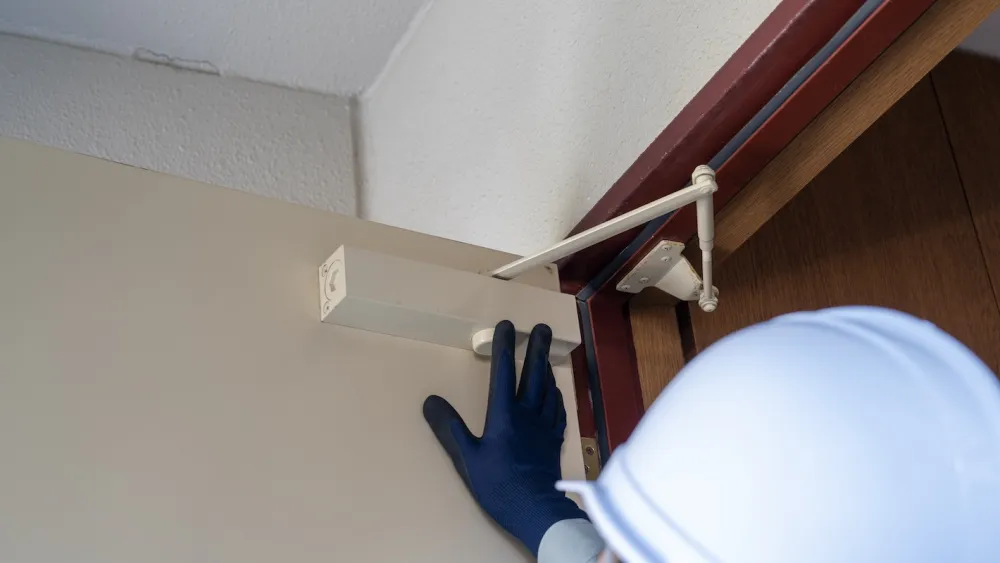
Professional safety testing, including systems like fall protection and lightning conductor systems, is vital for your building’s overall safety and compliance. Regular inspections of these critical systems ensure they function properly and are in good condition, safeguarding against the risks of falls and electrical hazards, which are among the top concerns in building safety management. Our specialised testing helps identify potential vulnerabilities or deterioration early, preventing accidents and ensuring the safety of all building occupants.
As importantly, professional testing helps maintain compliance with the latest building regulations, which can vary by location and change over time. By ensuring your safety systems meet current legal requirements, you minimise liability and enhance the building's reputation for safety and reliability.
Altogether, professional building safety testing is an indispensable part of responsible building management, offering peace of mind that your property and people are protected.
You can expect a thorough and efficient process designed to ensure the utmost safety and compliance of your building's critical systems.
Initial contact and scheduling
Once you reach out to us, we'll discuss your specific needs and schedule an inspection at a convenient time. Our team is flexible and works to minimise disruption to your daily operations.
Site assessment
On the day of the inspection, our trained and certified technicians will arrive on-site, equipped with the necessary tools and equipment. We begin with a preliminary assessment to understand the layout and specific areas that require attention.
Testing process
For fall protection systems, like eyebolts, our technicians perform rigorous tests to check the strength and stability of each component, ensuring they can safely withstand the forces they may encounter. Lightning protection systems are inspected for any signs of wear, damage or improper installation that could affect their performance.
Our team uses innovative access solutions, such as rope access or our patented 3D-printed equipment, to safely and efficiently reach and test all necessary points, regardless of their height or difficulty.
Reporting and documentation
After the inspection, you will receive a detailed report that outlines our findings, any areas of concern and recommendations for remedial actions if necessary. This report is designed to be both comprehensive and easy to understand, providing you with all the information you need to ensure ongoing safety and compliance.
We will also include videos and photos of the safety equipment along with our recommendations and observations. We believe that this helps to better communicate our advice, making it easier to address any safety or maintenance issues and keep all equipment fully compliant with current British Standards.
Follow-up
We believe in building long-term relationships with our clients. If any issues are identified, our team is available to discuss further actions and can help plan any additional repairs or maintenance to your property.
Manufacturer guidelines, and BS EN 795, also dictate that safety systems should be inspected and tested at least every 12 months, with an independent risk assessment to determine if more frequent testing is required.
As well as carrying out this all-important testing, we will notify you when an inspection is due, helping you to keep your buildings compliant with current regulations and protect the people working on your properties.
Our structured approach ensures that every aspect of your safety systems is carefully examined and maintained to the highest standards.
In general, building safety system inspections should be scheduled at least once a year, in line with manufacturer guidelines and BS EN 795 standards. Regular testing ensures that all safety systems, like fall protection and lightning protection, are in optimal working condition and meet regulatory requirements.
However, an independent risk assessment should be conducted to determine if the conditions or usage of your building necessitate more frequent inspections. This proactive approach helps maintain compliance and ensures the ongoing safety of everyone who uses the property.


 Call
Call
 Email
Email