

 Call
Call
 Email
Email
Mansafe Inspection & Testing: What Are the Best Practices?

Managing Director
Lucian Ivan
• 10 minute read
Contents
- What Is a Mansafe System?
- What Is Mansafe Testing?
- How Often Should a Mansafe System Be Inspected?
- Who Should Conduct Mansafe Inspections?
- How Do You Test a Mansafe System?
- Legislation and Standards
- Safeguard Your Workforce with Comprehensive Mansafe Inspections
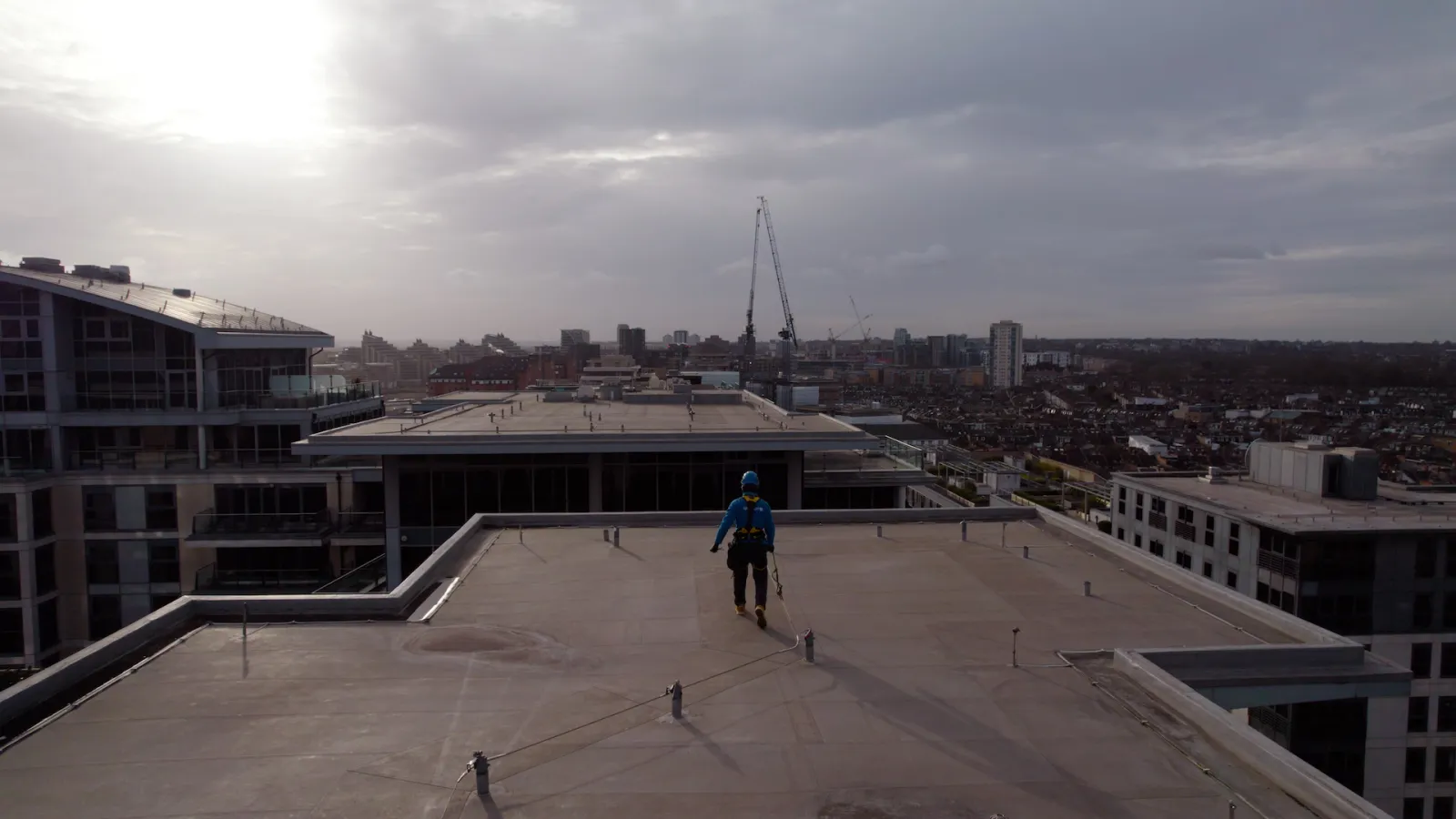
Working at height presents significant risks, so robust safety measures are essential for protecting workers and ensuring compliance with UK regulations. One of the most effective solutions for fall protection is a mansafe system – a network of lifelines, anchor points and harnesses designed to prevent falls and keep workers secure.
However, simply installing a mansafe system isn’t enough. Regular inspection and testing are critical to ensure these safety systems remain fully functional and compliant with industry standards. Without proper maintenance, even the best-designed system can become ineffective, putting workers at serious risk and exposing businesses to legal liabilities.
In this guide, we’ll cover the best practices for mansafe inspection and testing, including the importance of regular checks, how often systems should be inspected, and the key steps involved in the testing process. If you’re new to mansafe systems, we recommend checking out our related article on mansafe system fundamentals for a more in-depth look at how these systems function.
By the end of this article, you’ll have a clear understanding of how to maintain a compliant and reliable fall protection system.
What Is a Mansafe System?
A mansafe system is a type of fall protection system designed to keep workers safe when operating at height. While "Mansafe" originated as a brand name, the term is now widely used to describe lifeline safety systems in general, or even broader categories of fall protection systems.
These systems typically include:
-
Anchor points: Secure fixtures that workers attach to using lanyards or harnesses.
-
Lifelines: Horizontal or vertical cables that allow safe movement along a structure.
-
Harnesses and connectors: Personal Fall Protection Equipment (PFPE) that secures the user to the system.
Mansafe systems come in two main types: fall restraint (which prevents workers from reaching a fall hazard) and fall arrest (which stops a fall mid-air). They are also used for work positioning, allowing operatives to safely work hands-free at height.
All of these systems play a crucial role in workplace safety, ensuring compliance with UK regulations like BS EN 795 and BS 7883.
For a deeper dive into how these systems work, take a look at our full guide to mansafe systems.
What Is Mansafe Testing?
Mansafe testing is the process of inspecting and verifying that a mansafe system is safe, functional, and compliant with regulatory standards. Regular testing ensures that anchor points, lifelines, and connectors remain structurally sound and capable of protecting workers in the event of a fall.

Routine testing is critical because:
-
It maintains system integrity: Wear and environmental exposure can weaken components over time.
-
It ensures compliance: UK regulations, such as BS EN 795 and BS 7883, require regular inspections.
-
It prevents accidents: A faulty system increases the risk of falls and serious injury.
Neglecting mansafe testing can lead to safety failures, legal penalties and liability issues, making regular checks an essential part of responsible building maintenance.
How Often Should a Mansafe System Be Inspected?
The frequency of mansafe system inspections is dictated by a combination of legislation, British Standards, common industry practices, as well as manufacturer recommendations and real-world usage conditions. It will vary property to property.
In all cases, regular checks are essential to ensure the system remains safe, compliant and fully operational.
Although schedules will vary depending on your system, here are some common inspection intervals:
-
Routine visual checks: Should be carried out before each use by trained personnel. These involve looking for visible damage, wear, or loose components.
-
Comprehensive annual inspection: Required at least once a year under BS EN 795 and BS 7883. This involves a full system assessment by a competent, accredited professional.
-
Post-incident inspections: If a mansafe system has been subjected to a fall arrest event or impact, it must be immediately tested and recertified before further use.

However, there are many factors that will impact your inspection and testing frequency. While annual inspections are the minimum standard, some systems may require more frequent checks due to:
-
Environmental conditions: Systems exposed to extreme weather, coastal air, or heavy pollution may corrode faster.
-
Frequency of use: The more often a system is used, the greater the wear on anchor points, lifelines, and connectors.
-
Type of system: Different designs and materials may degrade at different rates, necessitating tailored maintenance schedules.
Failing to regularly inspect and maintain a mansafe system can lead to compliance breaches, liability risks, and – most critically – potential fall hazards.
Who Should Conduct Mansafe Inspections?
Mansafe system inspections should only be conducted by individuals with the appropriate training, competence, and certification. The level of qualification required will depend on the type of inspection being performed, for example:
Pre-Use Inspections: The User’s Responsibility
Before each use, workers relying on a mansafe system must carry out a pre-use visual check. While this does not necessarily require formal certification, it does require:
-
Training in Work at Height safety to recognise obvious faults.
-
An understanding of fall protection components (e.g., checking for frayed cables, loose fixings, or missing tags).
-
Knowledge of the emergency procedures if a defect is identified.
If any issue is detected, the system must not be used until it has been assessed and approved by a qualified professional.
Formal Inspections: A Competent, Certified Professional
In the UK, full mansafe system inspections – including annual testing and recertification – must be carried out by a competent person in line with BS EN 795, BS 7883, and The Work at Height Regulations 2005.
This means the inspector must be able to demonstrate expertise - for example:
-
Have specialist training in fall protection system inspections.
-
Hold industry-recognised certifications, such as those issued by IRATA (Industrial Rope Access Trade Association).
-
Be employed by or accredited through a qualified fall protection inspection provider.
-
Use calibrated testing equipment and issue a detailed inspection report for compliance records.
Why Accredited Inspectors Matter
Mansafe inspections require specialist knowledge – using an unqualified individual can result in non-compliance, system failures or legal liability if an accident occurs.
Accredited inspectors bring the expertise needed to:
-
✔ Identify hidden faults that untrained workers might miss.
-
✔ Verify compliance with British Standards and HSE regulations.
-
✔ Ensure recertification, keeping the system legally valid and safe for use.
If you’re unsure about your current inspection procedures, please get in touch to speak with our fall protection experts. We’ll ensure your mansafe system is properly inspected, compliant, and fully functional.
How Do You Test a Mansafe System?
Mansafe testing involves a systematic and thorough inspection of all its components to ensure structural integrity, compliance and continued effectiveness. The process must follow UK regulations, including relevant standards like BS EN 795 and BS 7883.

Here are some of the key testing procedures that will usually be performed during a full mansafe inspection:
Load Testing
Load testing verifies that the mansafe system can withstand the forces exerted during a fall. This process is particularly crucial for new installations, after modifications or when concerns arise about the system’s integrity.
-
A controlled test load is applied to the anchor points and lifelines to simulate the force of a fall.
-
Specialised calibrated equipment is used to measure the system’s resistance.
-
Load testing must be conducted without overstressing the system, ensuring no damage occurs during the test.
Anchor Point and Cable Tension Checks
Anchor points and cables form the core structure of any mansafe system, making their inspection and adjustment a vital part of testing.
-
Anchor points are checked for loose fittings, corrosion, and structural damage.
-
Cable tension is measured using a tension meter to ensure it falls within the manufacturer’s specified range.
-
If the tension is too loose or too tight, adjustments are made to maintain optimal performance and compliance.
Wear and Corrosion Inspection
Over time, exposure to the elements, heavy usage and environmental conditions can cause wear and corrosion in a mansafe system.
-
Inspectors check for rust, frayed cables, worn harness attachments or weakened fasteners.
-
Special attention is given to systems installed in coastal, industrial or high-pollution environments, where corrosion risk is higher.
-
Any compromised components must be repaired or replaced immediately.
A proactive approach to wear and corrosion extends the lifespan of the system and prevents dangerous failures.
Compliance Verification
To meet UK safety regulations, mansafe systems must be checked against industry standards and manufacturer guidelines.
-
Inspectors verify that the system conforms to any relevant standards, like BS EN 795 (for anchor devices) and BS 7883 (for installation and testing of anchors).
-
The system’s layout, fixing methods, and materials are reviewed for compliance.
-
If non-compliant components are found, corrective actions must be taken to ensure legal validity.
Recertification
A mansafe system must be recertified annually to remain legally valid and safe for use. Recertification generally involves:
-
Reassessment of all components, ensuring no deterioration has occurred.
-
Retesting of anchor points, cables, and PFPE connections to confirm full functionality.
-
Issuing a new compliance certificate that confirms the system is fit for use.
If a system fails recertification, it must not be used until all required repairs or upgrades are completed and re-tested.
Evidence Logs and Documentation
Accurate inspection records are essential for both legal compliance and ongoing maintenance planning.
-
Each test must be documented with findings, results and any corrective actions taken.
-
Inspectors provide a detailed report that includes photographic evidence, compliance checks and system status.
-
Up-to-date documentation is required for audits and proves that the system has been maintained correctly.
Complete records ensure traceability, accountability and ongoing compliance with UK safety laws.
At Spectrum, we offer comprehensive mansafe testing and inspection services, covering everything above and more. Our accredited professionals ensure that your system meets all UK safety standards, giving you peace of mind that your workers are fully protected. You can learn more about our fall protection services here.
Legislation and Standards
Mansafe systems must comply with strict UK regulations and industry standards to ensure they provide reliable fall protection. Failure to meet these requirements can lead to serious safety risks and legal penalties.
Below are some of the key laws and standards governing mansafe systems in the UK:
The Health and Safety at Work Act 1974
This overarching legislation places a legal duty on employers to ensure the health, safety and welfare of employees. Under this law, any worker required to operate at height must be provided with safe, compliant fall protection equipment.
The Work at Height Regulations 2005
Commonly known as WAHR, these regulations specifically cover working at height, requiring employers and building owners to:
-
Use fall protection systems where working at height cannot be avoided.
-
Ensure all safety equipment is properly maintained and inspected.
-
Only allow trained and competent individuals to inspect, test, and use fall protection systems.
Failure to comply with these regulations can result in legal action, fines and serious liability if an accident occurs.
BS EN 795 – Anchor Devices for Fall Protection
This British and European Standard sets out safety and performance requirements for mansafe anchor points and lifelines. It ensures that anchor devices:
-
Are strong enough to withstand fall forces.
-
Are installed correctly and meet structural integrity requirements.
-
Provide reliable and secure attachment points for personal fall protection equipment (PFPE).
BS 7883 – Design, Testing and Inspection of Anchor Systems
BS 7883 outlines the installation, testing, and recertification of fall protection anchors. It details:
-
Inspection intervals and testing procedures.
-
The responsibilities of building owners and employers in maintaining systems.
-
The correct methods for fixing and assessing anchor points.
Why Compliance Matters
Failure to comply with these regulations and standards can result in:
-
System failures leading to serious accidents or fatalities.
-
Legal action and significant fines for non-compliance.
-
Invalid insurance claims if a system is found to be uncertified or faulty.
To protect workers, businesses must adhere to all relevant legislation and standards, ensuring that their mansafe systems remain safe for use.
Safeguard Your Workforce with Comprehensive Mansafe Inspections
Regular mansafe inspections aren’t just a legal requirement – they’re a lifesaving necessity. To protect workers and remain compliant with UK safety regulations, you need:
-
✅ Thorough system testing: Verifying that your anchor points, lifelines and connections are structurally sound.
-
✅ Certified inspections and compliance checks: Ensuring your system meets all relevant standards, like BS EN 795 and BS 7883.
-
✅ Accurate reporting and documentation: Keeping your compliance records up to date and legally valid.
At Spectrum, we provide:
-
Comprehensive mansafe testing and certification: Covering load testing, anchor checks, compliance verification, and full recertification.
-
Expert-led inspections: Conducted by IRATA-certified and experienced professionals using the latest testing equipment.
-
Low costs and minimal disruption: We use innovative hybrid access techniques to service even the most challenging locations cost-effectively.
Don’t leave safety to chance – we’re here to help ensure your mansafe system is fully tested and compliant:
-
Contact our team for expert advice.
Your Building Deserves Thoughtful, Expert Care
Ensure your building remains in top condition with Spectrum Specialist Support. Our expert team offers a full range of exterior maintenance services, from external cleaning and repairs to comprehensive restoration of brick, render, stone and other substrates.
With an IRATA-certified team of abseilers and experience across hundreds of varied projects, we’ll find an access solution that saves you time and money, even on the most complex elevations.
Whether you need emergency maintenance or a tailored service plan, we are here to help. Contact us directly on 020 3551 6206 or email us at info@spectrumss.co.uk to discuss your requirements and receive a free consultation and quote.