

 Call
Call
 Email
Email
What Is LOLER?

Managing Director
Lucian Ivan
• 22 minute read
Contents
- Why Was LOLER Introduced?
- What Does LOLER Require?
- Who Needs to Comply with LOLER?
- What Equipment Is Covered by LOLER?
- Who Is Responsible for LOLER Compliance?
- Key Duties Under LOLER Regulations
- How Often Do LOLER Inspections Need to Be Done?
- What Is an Examination Scheme?
- What Happens If You Breach LOLER Regulations?
- LOLER Compliance Tips
- Protecting People, Property and Peace of Mind
- FAQs
If you manage buildings, oversee maintenance work, or are responsible for health and safety compliance, chances are you’ve come across the term “LOLER.” It’s one of those acronyms that frequently appears in inspection reports, contractor documentation or asset registers, but what does it actually mean, and when does it apply?
LOLER stands for the Lifting Operations and Lifting Equipment Regulations 1998. It’s a set of UK health and safety regulations designed to ensure that lifting equipment is used safely and maintained to a high standard.
For property professionals, this typically includes equipment like hoists, rope access systems, building maintenance units and fall protection systems such as mansafe anchors.
Whether you’re managing a single residential block or a large commercial portfolio, understanding LOLER can help you reduce risk, maintain legal compliance and keep people safe.
In this article, we’ll explain:
-
What LOLER covers, and how it relates to other safety legislation
-
Which equipment is included, and which isn’t
-
Who is responsible for compliance
-
What “thorough examinations” involve, and how often they’re required
-
The risks of non-compliance, and how to stay on top of your obligations
Why Was LOLER Introduced?
LOLER was created to tackle the significant risks associated with lifting equipment and lifting operations. Equipment failure or improper use can cause serious injury or even fatalities, particularly in sectors like construction, maintenance and logistics.
The regulations were introduced under the wider Health and Safety at Work Act 1974, which sets out general duties for employers to ensure the safety and welfare of employees and others affected by their activities. LOLER builds on that foundation by focusing specifically on lifting equipment.
By requiring regular inspections, competent supervision and proper use of lifting equipment, LOLER helps ensure that workplace lifting activities are conducted safely and predictably.
What Does LOLER Require?
LOLER outlines three core responsibilities for duty holders:
1. Planning and Supervision
All lifting operations must be planned, supervised and carried out by competent individuals. This means considering factors like load weight, access constraints, environmental conditions and suitable control measures.
2. Safe Use
Lifting equipment must be used correctly, following manufacturer instructions and safety guidelines. It should be installed, positioned and operated in a way that minimises risks, such as tipping, load failure or contact with other structures.
3. Inspection and Maintenance
LOLER requires that equipment be thoroughly examined at regular intervals by a competent person. These inspections must be documented, and any faults must be rectified before the equipment is used again.
For example, in property maintenance and facade access, this often includes equipment such as fixed fall protection or horizontal lifeline systems, harnesses, anchor points and abseiling ropes. If these systems are used for work purposes, they fall under LOLER and must be formally inspected.
Who Needs to Comply with LOLER?
LOLER applies to any business, organisation or individual that uses lifting equipment in a work setting. Compliance is required regardless of whether you own the equipment or are simply responsible for its use.
This includes:
-
Property managers
-
Facilities managers
-
Housing associations
-
Maintenance contractors
-
Healthcare providers
-
Construction firms
Importantly, LOLER does not apply to purely domestic, non-work-related lifting equipment.
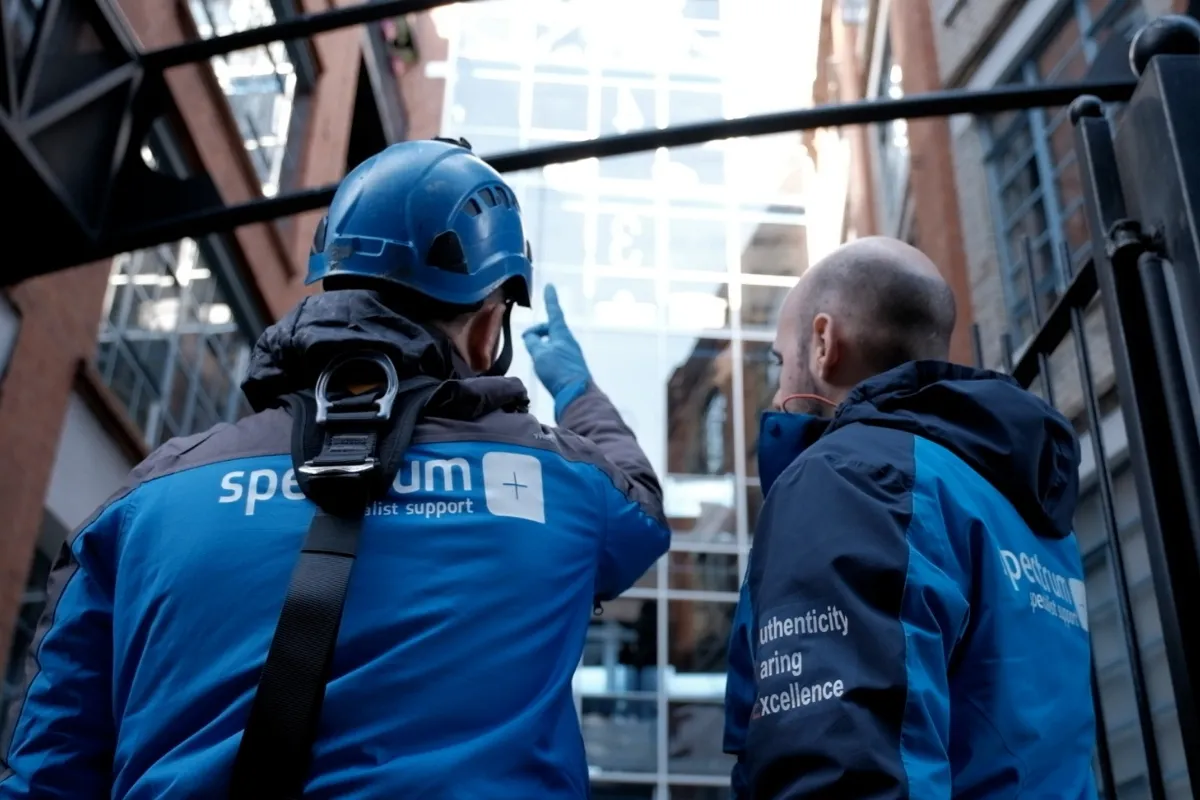
If you’re responsible for systems that involve roof access, facade cleaning or suspended access, even if the equipment is used by a contractor, you may be the “duty holder” under LOLER. In that case, it’s your responsibility to ensure the equipment is inspected, documented, and safe to use.
What Equipment Is Covered by LOLER?
LOLER applies to any equipment used to lift or lower loads during a work activity. This includes the primary lifting machinery and any accessories used to attach, anchor or stabilise the load.
The key criteria are:
-
The equipment is used at work
-
It lifts or lowers a load (including people)
If both of these apply, LOLER almost certainly does too.
Common Examples of LOLER-Covered Equipment
Here’s a breakdown of typical equipment that falls under LOLER:
-
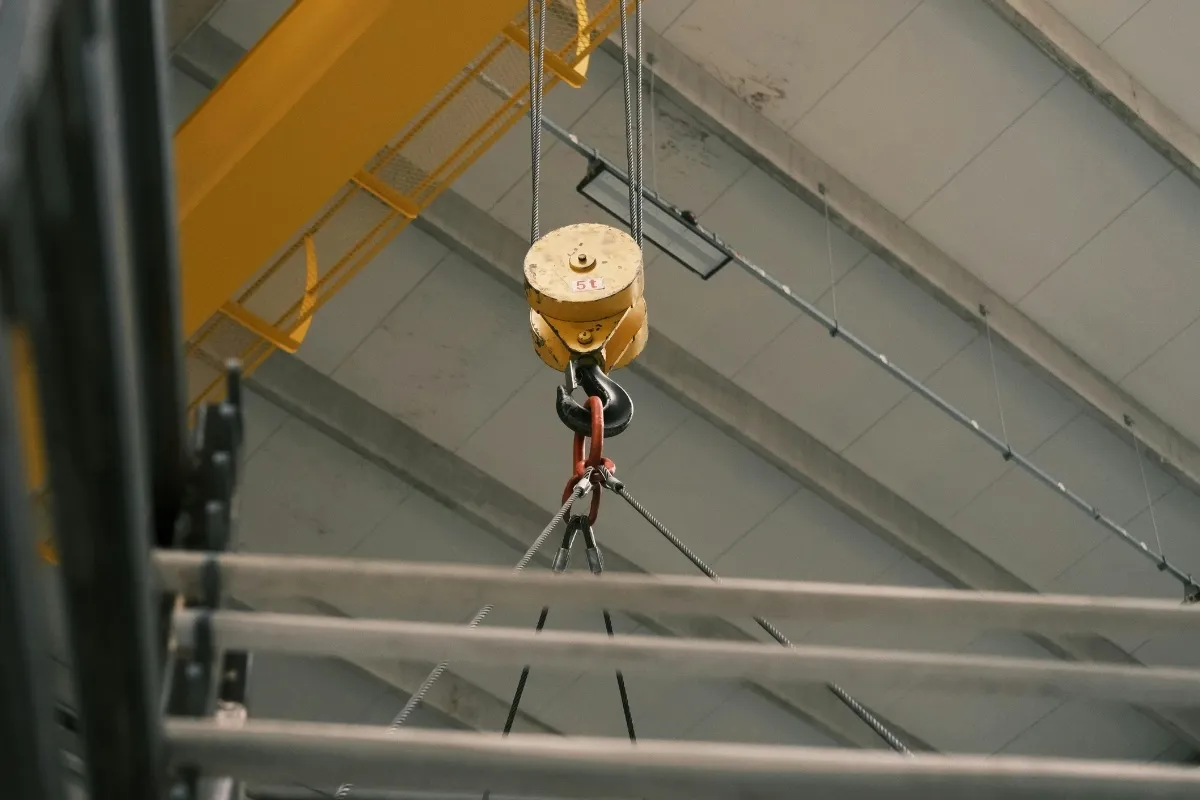
Cranes: Overhead cranes, tower cranes, mobile cranes, vehicle-mounted lifting arms.
-
Hoists: Builders’ hoists, rope hoists, pulley systems.
-
Forklifts and telehandlers: If used for lifting loads.
-
Passenger and goods lifts: Including platform lifts and dumbwaiters.
-
Patient hoists: In hospitals and care homes.
-
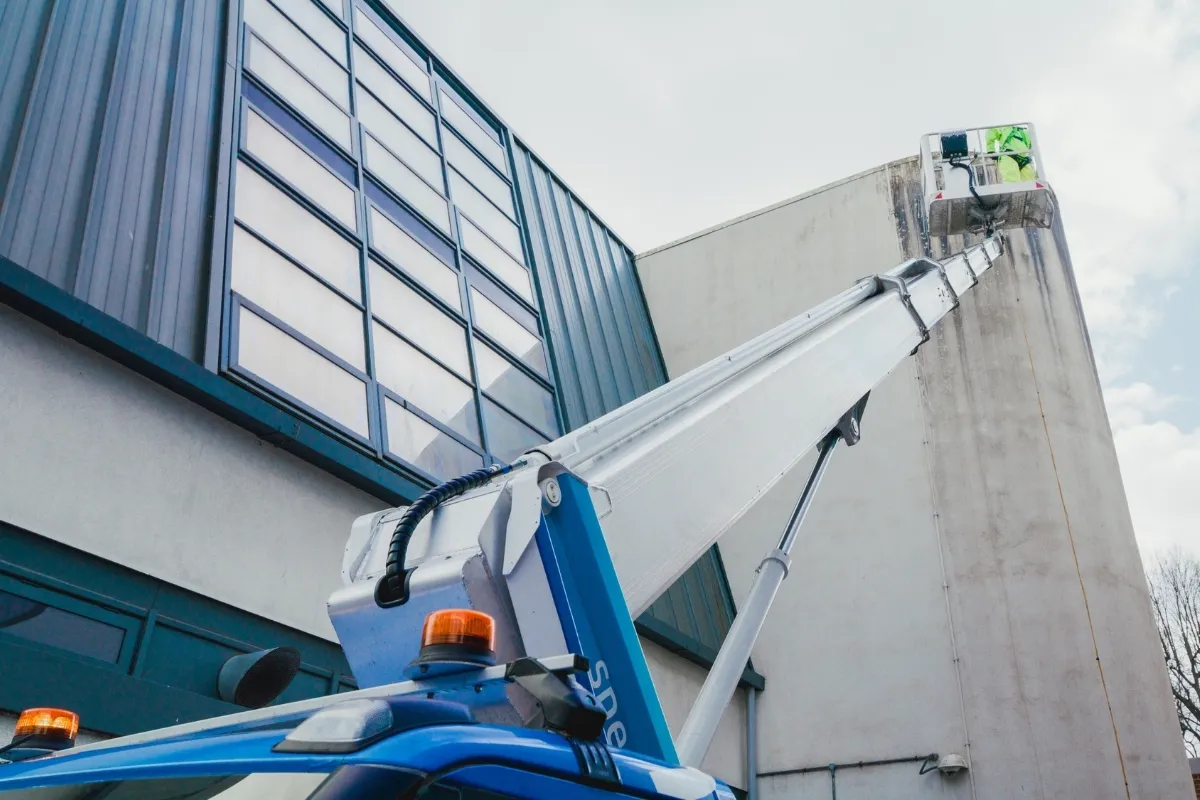
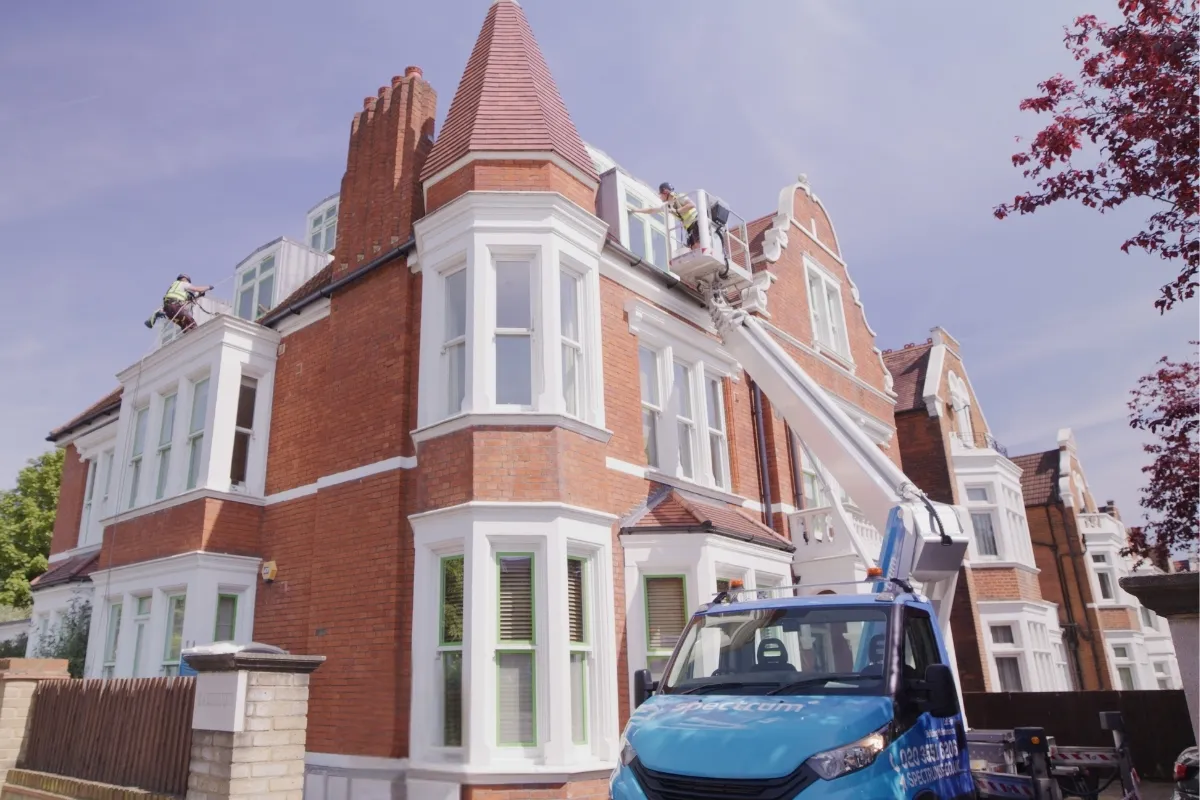
Mobile Elevating Work Platforms (MEWPs): Like cherry pickers and scissor lifts.
-
Suspended access equipment: Cradles, gantries or rope access systems.
-
Vehicle lifts: Car ramps, tail lifts and inspection platforms.
-
Pulley systems and gin wheels: Often used on construction sites.
Lifting Accessories
LOLER also applies to accessories that secure or support the load during lifting, including:
-
Slings
-
Shackles
-
Eyebolts
-
Hooks
-
Chains
-
Spreader beams
-
Magnetic lifters
-
Vacuum lifters
All accessories must be included in your LOLER inspection regime and clearly marked with a Safe Working Load.
What Equipment Is Excluded from LOLER?
Some types of equipment, while involved in lifting or movement, are typically not covered by LOLER. These include:
-
Pallet trucks: If they don’t raise the load off the ground.
-
Tipping skips or dumpers: Where the lifting element is incidental.
-
Escalators and moving walkways: Covered by other regulations.
-
Fall arrest equipment (harnesses and lanyards): Unless used in rope access or work suspension systems.
Under most circumstances, personal fall protection (e.g. harnesses and lanyards) falls under PUWER and the Work at Height Regulations, unless the equipment is directly involved in lifting or lowering loads, i.e. work suspension.
Grey Areas
If you’re unsure whether a piece of equipment falls under LOLER, consider:
-
Is it used to lift/lower a load as part of a work activity?
-
Could failure cause injury?
If the answer to either is yes, you should assume LOLER applies, or consult a competent person for confirmation.
Who Is Responsible for LOLER Compliance?
The person or organisation legally responsible for LOLER compliance is referred to as the Duty Holder. This is usually the individual or entity that owns, manages or has control over the lifting equipment in question.
Depending on your situation, this could include:
-
A property or facilities manager overseeing building maintenance.
-
A contractor using their own rope access or lifting equipment on-site.
-
A housing association responsible for maintaining lifts in communal areas.
-
A site manager coordinating reactive or planned works.
If It’s On Your Site, You May Be the Duty Holder
Even if you don’t operate the equipment directly, you may still bear responsibility if it’s being used on a site or building you manage. For example:
-
A property manager commissioning a rope access team for facade cleaning must ensure the fixed anchors and mansafe systems are compliant and up to date.
-
A housing association must make sure that all passenger lifts across their portfolio are regularly inspected and any issues addressed before use.
-
A maintenance contractor working at height must ensure their own lifting or fall arrest systems meet LOLER standards.
If the equipment is used as part of a work activity and you’re the one who arranged for or permitted its use, you’re very likely a duty holder under LOLER.
What Are Your Legal Responsibilities?
As a duty holder, you are legally obligated to:
-
Arrange regular Thorough Examinations: Carried out by a competent person, typically every 6 or 12 months depending on the equipment type and use.
-
Keep records of inspections: Reports must be stored securely and be available for the HSE or internal auditors. Records must be kept for at least two years or until the next report is made, whichever is longer.
-
Respond to defects: Any faults identified in an inspection must be resolved before the equipment is used again.
-
Ensure safe use: Equipment must be clearly marked with its Safe Working Load and operated only by trained personnel.
-
Plan and supervise lifting operations: Including risk assessments and appointing competent supervisors.
LOLER compliance isn’t just about ticking boxes. It’s about ensuring that anyone using, maintaining, or working around lifting equipment can do so safely.
Key Duties Under LOLER Regulations
LOLER sets out three specific legal duties for anyone who owns, operates or controls lifting equipment in a workplace. These duties are not optional – they form the foundation of safe lifting practices.
1. Planning and Supervision
Every lifting operation, regardless of size or complexity, must be:
-
Properly planned: This involves identifying hazards, assessing risks and deciding on the safest method of work.
-
Carried out by competent persons: Anyone supervising or executing the lift must have the right knowledge and experience.
-
Appropriately supervised: Even simple lifts require oversight to prevent unsafe shortcuts or misuse.
This planning process should consider:
-
The weight, size and stability of the load
-
Environmental factors like weather, height or obstructions
-
The suitability of the equipment being used
-
Required Personal Protective Equipment (PPE) and fall protection
2. Safe Use of Equipment
Duty holders must ensure that lifting equipment is:
-
Fit for purpose: Only use equipment that’s suitable for the specific task.
-
Strong and stable: Equipment must not show signs of fatigue, rust or overuse.
-
Clearly labelled: All lifting equipment should display its Safe Working Load (SWL).
-
Correctly positioned and installed: To prevent tipping, collision or unsafe loading angles.
Operators must also:
-
Be trained and competent
-
Carry out pre-use checks
-
Understand how to secure loads properly
-
Know what to do in the event of a fault or emergency
Supervision is key here. Even the best equipment can become dangerous if used improperly.
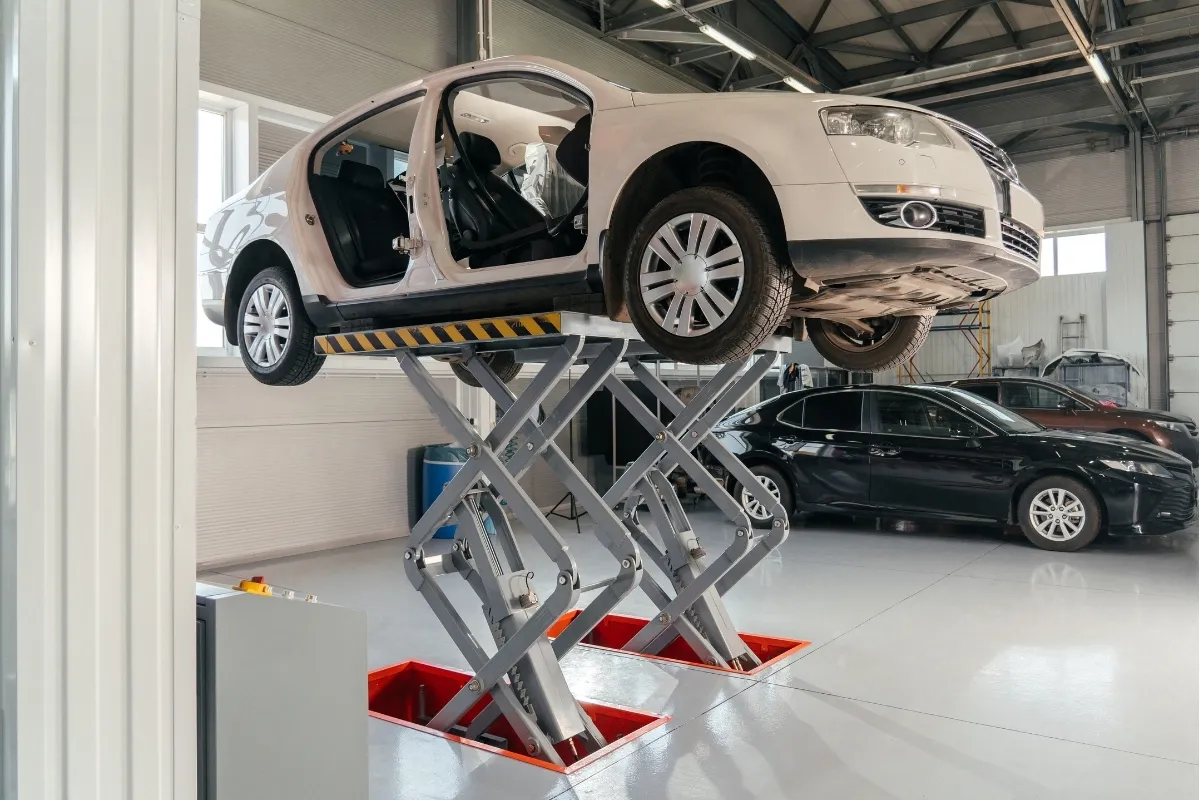
3. Thorough Examination and Inspection
A Thorough Examination is a legally required inspection of lifting equipment. It goes beyond regular maintenance and is focused on identifying any safety-critical issues.
These inspections must be:
-
Carried out by a competent person: Someone with the knowledge, training and independence to assess safety.
-
Conducted at the correct intervals: Every 6 months (if lifting people) or 12 months (for other lifting tasks), unless a specific written scheme says otherwise.
-
Fully documented: With written reports outlining any defects, actions taken and when the next inspection is due.
Examples of what’s checked include:
-
Wear and tear on ropes, pulleys, anchors or connections
-
Load tests for certain systems
-
Signs of corrosion or fatigue
If the equipment fails inspection, it must not be used until the problem is resolved.
How Often Do LOLER Inspections Need to Be Done?
LOLER requires that lifting equipment be thoroughly examined at set intervals to ensure continued safety. These inspections are a legal obligation, not just best practice.
Standard Inspection Frequencies
As covered under Regulation 9 of the LOLER regulations:
-
Every 6 months for equipment used to lift people.
Examples: MEWPs, building maintenance cradles, passenger lifts, rope access systems -
Every 12 months for all other lifting equipment.
Examples: goods lifts, hoists, lifting beams, telehandlers -
Or at intervals defined in a written examination scheme prepared by a competent person.
The clock starts ticking from the date of installation, first use or last inspection – whichever is most relevant.
When More Frequent Inspections May Be Needed
In some cases, standard intervals aren’t enough. More frequent examinations might be required if:
-
Equipment is used in a harsh or corrosive environment (e.g. coastal, industrial or outdoor year-round).
-
The system is heavily used or operates under high loads.
-
There’s been a change in how the equipment is used (e.g. new types of loads or locations)
-
Equipment has been damaged, repaired or modified.
-
The system has been idle for a long period.
If any of these apply, a competent person should re-evaluate the risk and potentially shorten the inspection interval.
What Is an Examination Scheme?
A written examination scheme is a tailored document that outlines exactly how and when each item of lifting equipment must be inspected under LOLER.
Rather than defaulting to the standard 6- or 12-month intervals, a WSE takes into account the specific conditions and risks associated with your site or equipment.
What Does a Written Scheme Include?
A WSE is prepared by a competent person and typically covers:
-
Which items need to be examined (equipment and accessories)
-
Inspection frequency based on usage and environment
-
Type of examination required (e.g. visual check, load test, functional check)
-
Examination methods and scope
-
Reporting and recordkeeping requirements
Why Use a WSE?
For sites with multiple buildings, a variety of equipment types, or differing usage patterns, a WSE provides:
-
Consistency and clarity: A predictable, structured inspection plan.
-
Flexibility: Allows for more frequent inspections of high-risk equipment.
-
Defensibility: Demonstrates due diligence if challenged by the HSE.
A good WSE can also streamline budgeting and planning by integrating LOLER inspections into your wider PPM schedule.
If you manage a housing portfolio, commercial property or reactive maintenance contracts, a WSE is one of the most practical and risk-reducing ways to stay compliant.
What Happens If You Breach LOLER Regulations?
LOLER compliance isn’t optional – it’s a legal requirement under UK health and safety law. Failure to meet your obligations can result in serious consequences for both organisations and individuals, ranging from enforcement notices to hefty fines and even prosecution.
If lifting equipment is found to be unsafe, poorly maintained or not properly inspected, the Health and Safety Executive (HSE) has the authority to act quickly and decisively.
HSE Enforcement Powers
The HSE is the primary regulator for workplace health and safety in the UK. It has a wide range of powers to enforce LOLER, including the ability to:
1. Issue Improvement Notices
These require you to correct a breach of LOLER within a specified timeframe. For example, you may be ordered to:
-
Conduct overdue inspections
-
Repair faulty lifting equipment
-
Update your written examination scheme
2. Issue Prohibition Notices
These stop the use of equipment or operations immediately if there’s a risk of serious injury. Prohibition notices are often used when:
-
Equipment hasn’t been inspected
-
Defects identified during inspections haven’t been resolved
-
Lifting operations are being carried out unsafely or without supervision
A prohibition notice can shut down works on-site instantly and the costs of downtime alone can be significant.

Fines and Legal Consequences
More serious or repeated breaches can lead to prosecution. This is particularly likely if:
-
An incident has already occurred (e.g. injury, fatality, near miss)
-
There’s evidence of negligence or poor safety culture
-
There was no inspection regime in place
Potential Penalties Include
-
Unlimited fines: Even minor breaches have resulted in five- or six-figure fines.
-
Imprisonment: Individuals found personally liable can face up to two years in prison.
-
Prosecution under the Health and Safety at Work Act 1974.
The size of the fine is influenced by:
-
The level of risk created by the breach
-
The size and financial position of the organisation
-
Whether harm occurred, or could have occurred
Real-World Example
Recently a manufacturing firm was fined £300,000 after a worker was crushed beneath a hydraulic lifting arm. This isn’t an isolated case – many HSE prosecutions involve lifting equipment that hadn’t been properly maintained or certified.
Operational and Financial Impact
Even without prosecution, breaching LOLER can cause serious disruption to your business or organisation:
-
Site shutdowns and delays
-
Increased insurance premiums or refusal of cover
-
Reputational damage, particularly in regulated industries like housing or healthcare
-
Disqualification from tenders or frameworks due to poor safety performance
-
Litigation from injured parties or residents
Perhaps most importantly, non-compliance puts people at risk. Equipment failure or misuse can lead to devastating injuries or fatalities, many of which could be avoided with proper planning and inspection.
The risks of ignoring LOLER go far beyond paperwork. This is about protecting lives and livelihoods. A robust LOLER regime ensures that your lifting equipment is safe, legally compliant and ready to use without worry.
Being proactive now is far less costly than reacting to an HSE investigation or legal claim later.
LOLER Compliance Tips
Keeping on top of LOLER doesn’t need to be complicated or time-consuming. With the right processes and partners in place, you can build LOLER compliance into your wider property or asset management strategy without the stress.
Here are some practical tips to help you stay compliant and confident:
1. Know What’s in Scope
Start by identifying all equipment and systems across your sites that fall under LOLER. Don’t forget to include:
-
Fixed fall protection systems (fixed fall protection or horizontal lifeline systems, anchors)
-
Rope access points and abseil anchors
-
Lifting accessories like slings and shackles
-
Lifts and hoists used for goods, people or facade access
If you’re unsure whether something is covered, assume it is – or check with a competent inspection provider.
2. Keep Your Records Organised
LOLER requires that Thorough Examination reports are:
-
Retained for at least two years (or until the next report, if longer)
-
Easily accessible for HSE inspection
Using digital compliance tools or a centralised document management system can make this easier, especially across multiple sites or teams.
Include LOLER reports in your asset register or compliance tracker alongside:
-
Dates of last inspection
-
Next due date
-
Competent person details
-
Any actions taken
3. Integrate LOLER with Your PPM Schedule
LOLER inspections should sit alongside your PPM tasks, not outside them.
-
Align inspection dates with other site visits to minimise disruption.
-
Combine LOLER checks with PUWER reviews, cleaning access system maintenance or roof inspections.
-
Use inspection windows to flag any wider repair or upgrade needs.
If you work with contractors or facilities teams, build LOLER checks into your scope of works and service-level agreements (SLAs).
4. Choose a Competent Inspection Partner
Under LOLER, a “competent person” must carry out inspections.
Look for partners who:
-
Are qualified and accredited (e.g. LEEA membership)
-
Specialise in lifting and access systems
-
Provide detailed reports with photos, observations and remedial advice
-
Offer scheduling reminders so you never miss a due date
At Spectrum, for example, we carry out LOLER inspections across the UK and help clients manage their entire compliance lifecycle from inspection to fall protection testing.
5. Take Action on Inspection Findings
LOLER doesn’t just require you to do the inspection, it requires you to act on the results.
If your inspection report flags a defect:
-
Do not use the equipment until it’s been repaired or replaced.
-
Log the defect and action taken in your compliance tracker.
-
Follow up with your service provider to ensure full resolution.
Failing to act on defects is a common cause of HSE enforcement.
6. Be Proactive, Not Reactive
The most compliant organisations don’t wait for an inspection date; they embed lifting safety into their day-to-day operations.
-
Conduct visual checks before each use
-
Train staff and contractors on correct use of lifting equipment
-
Review lifting operations as part of wider risk assessments
-
Keep lines of communication open between FM, H&S and contractors
In short: treat LOLER as a safety system, not just a legal obligation.
Protecting People, Property and Peace of Mind
Like all compliance regulations, LOLER is more than just another box to tick – it’s about protecting lives and ensuring that vital maintenance and construction work can be carried out safely and effectively.
A strong understanding of your responsibilities under LOLER gives you confidence that your sites, contractors and occupants are safe.
From goods lifts and cradle access equipment to roof anchors and rope access systems, LOLER covers a wide range of systems you’re likely already using. The key is:
-
Knowing what’s in scope
-
Keeping inspections up to date
-
Acting quickly on defects
-
Working with competent partners
At Spectrum Specialist Support, we help housing associations, facilities managers and property professionals stay compliant through proactive, cost-effective inspections and reporting. We understand the pressures of running multiple sites and the importance of getting it right the first time, every time.
If you're unsure whether your equipment falls under LOLER, or want to streamline your inspection process, we're here to help.
Get in touch today to speak with one of our compliance experts. Let’s keep your buildings safe, compliant and running smoothly.
FAQs
Is LOLER a legal requirement?
Yes. LOLER is a legal requirement in the UK under criminal law. It forms part of the Health and Safety at Work etc. Act 1974 and applies to anyone responsible for lifting equipment used at work, including property managers, facilities teams and contractors.
To comply, you must ensure that all lifting operations are:
-
Properly planned by a competent person
-
Appropriately supervised
-
Carried out using safe, suitable equipment that is regularly inspected
Lifting equipment must also be:
-
Clearly marked with its Safe Working Load (SWL)
-
Thoroughly examined at least every 6 or 12 months, depending on how it is used
-
Maintained in a safe condition at all times
The Health and Safety Executive (HSE) enforces LOLER, and failure to comply can result in prosecution, fines or the equipment being taken out of use. If your site uses any kind of lifting gear you have a legal duty to keep it compliant.
Is LOLER 6 or 12 months?
It depends on how the equipment is used. Here’s the legal breakdown:
-
Every 6 months for equipment that lifts people, e.g. passenger lifts, hoists, MEWPs, cherry pickers.
-
Every 6 months for all lifting accessories, e.g. slings, shackles, hooks, eyebolts.
-
Every 12 months for other lifting equipment used for goods only, e.g. overhead cranes, goods lifts, vehicle ramps.
You’ll also need a new inspection:
-
Before first use
-
After exceptional events such as damage, overload or long periods out of use
-
At intervals set by a written scheme of examination, if a competent person recommends different timing based on site conditions
In short, if your equipment lifts people or includes accessories, check it every 6 months. Everything else is typically 12 months unless your inspection partner advises otherwise.
What are common LOLER violations?
The most frequent LOLER breaches come down to missed inspections, poor record-keeping and unsafe practices. Common issues include:
-
Overdue or missed inspections: Skipping the required 6- or 12-month checks, or failing to re-inspect after repairs or relocation.
-
Incomplete equipment coverage: Accessories like slings or eyebolts being left out of the inspection schedule.
-
Missing records: Not keeping LOLER reports for the full two years or failing to document findings properly.
-
Lack of competent persons: Using unqualified individuals to supervise, inspect or carry out lifting operations.
-
Poor equipment marking: SWL labels missing, faded or incorrect, which is a direct breach of Regulation 7.
-
Damaged or poorly maintained equipment: Rust, frayed cables, cracked welds or hydraulic leaks being overlooked.
-
Unsafe lifting practices: Overloading equipment or working on unstable ground.
-
No inspection after installation or modification: Failing to arrange a Thorough Examination after new installations or major changes.
-
Insufficient training: Operators unaware of safe lifting limits or how to spot faults.
Any one of these can lead to serious consequences. The HSE can issue improvement or prohibition notices, and in more serious cases, prosecute with unlimited fines or even imprisonment. One recent case saw a company fined £200,000 for using known defective vehicle lifts, even though no injury occurred.
LOLER breaches are avoidable. With the right inspection regime and training in place, you can protect your teams, your assets and your legal position.
Who needs to comply with LOLER?
LOLER applies to anyone who owns, uses or controls lifting equipment in a workplace. If the equipment is used as part of a work activity, even by contractors or tenants, you’re likely classed as a duty holder under the law.
This includes:
-
Employers: Responsible for any lifting equipment used by their staff.
-
Self-employed workers: Must ensure their own equipment is inspected and safe.
-
Facilities and property managers: Accountable for lifts, hoists, mansafe systems and other lifting gear in managed buildings.
-
Contractors and service providers: Especially when supplying or operating lifting equipment on-site.
-
Landlords or building owners: If you provide or control access to equipment used by others.
-
Hirers or lessees: Responsibilities are often shared, depending on the hire agreement.
LOLER applies across all sectors, from housing and healthcare to construction and logistics. If you manage passenger lifts, anchor systems, or mobile equipment like MEWPs or hoists, you have a legal obligation to keep it safe and compliant.
Who can issue a LOLER certificate?
Only a competent person can issue a LOLER certificate (or, more correctly, a report resulting from a “Thorough Examination”). This is someone with the right training, knowledge and experience to carry out a “Thorough Examination” of lifting equipment in line with the LOLER regulations.
In most cases, this will be a qualified engineer, lift specialist or independent inspector with technical expertise in lifting systems.
To be classed as competent, they must be able to:
-
Identify defects or wear that could affect safety
-
Assess risk and equipment condition
-
Confirm compliance with legal and technical standards
Most property teams choose to work with accredited inspection providers or third-party specialists who carry out LOLER checks and issue the required documentation.
The LOLER certificate confirms:
-
The equipment has passed a formal examination
-
It is safe and suitable for use
-
All findings, dates and required actions are clearly recorded
This certificate is your legal proof of compliance under LOLER and must be kept on file for at least two years.
What is the 3-3-3 rule for lifting?
The "3-3-3 rule" for lifting is a simple safety guideline used to improve lifting operations and reduce accidents. It is an informal practice and not mandated by LOLER. It consists of three key points:
-
3 metres distance: Keep at least 3 metres away from the suspended load to avoid injury if the load shifts or falls.
-
Lift 300mm: Initially lift the load just 300 millimetres (about 12 inches) off the ground to stabilise and check the rigging before fully lifting.
-
3 seconds wait: Pause for 3 seconds after the initial lift to allow the load to stabilize before proceeding with the full lift.
This "3-3-3" rule acts as a practical hold point during lifting procedures to verify safety conditions are met, ensuring the equipment is properly rigged, stable and clear of personnel before continuing the lift.
It is frequently used in construction and industrial settings as a reminder to maintain safe distances, controlled lifting heights and timed stability checks.
Do ladders come under LOLER or PUWER?
Most ladders are covered by PUWER, not LOLER. That’s because standard ladders are used for access, not for lifting or lowering loads.
Here’s how the regulations apply:
-
LOLER only covers equipment used to lift or lower people or loads. Unless the ladder is part of a mechanical lifting system, it doesn’t fall under LOLER.
-
PUWER applies to all work equipment, including ladders. It requires that ladders are suitable for use, properly maintained, inspected regularly and only used by trained personnel.
The Work at Height Regulations 2005 also apply. These focus on safe use, proper selection, positioning and fall prevention when working from height.
In short, standard ladders are regulated by PUWER and Work at Height Regulations. Specialist lifting ladders or platforms may fall under LOLER if they are used to lift people or loads.
Even if LOLER doesn’t apply, employers still have legal duties to ensure ladders are safe, inspected, and used correctly.
Your Building Deserves Thoughtful, Expert Care
Ensure your building remains in top condition with Spectrum Specialist Support. Our expert team offers a full range of exterior maintenance services, from external cleaning and repairs to comprehensive restoration of brick, render, stone and other substrates.
With an IRATA-certified team of abseilers and experience across hundreds of varied projects, we’ll find an access solution that saves you time and money, even on the most complex elevations.
Whether you need emergency maintenance or a tailored service plan, we are here to help. Contact us directly on 020 3551 6206 or email us at info@spectrumss.co.uk to discuss your requirements and receive a free consultation and quote.